
Quick Guide
Biological Control
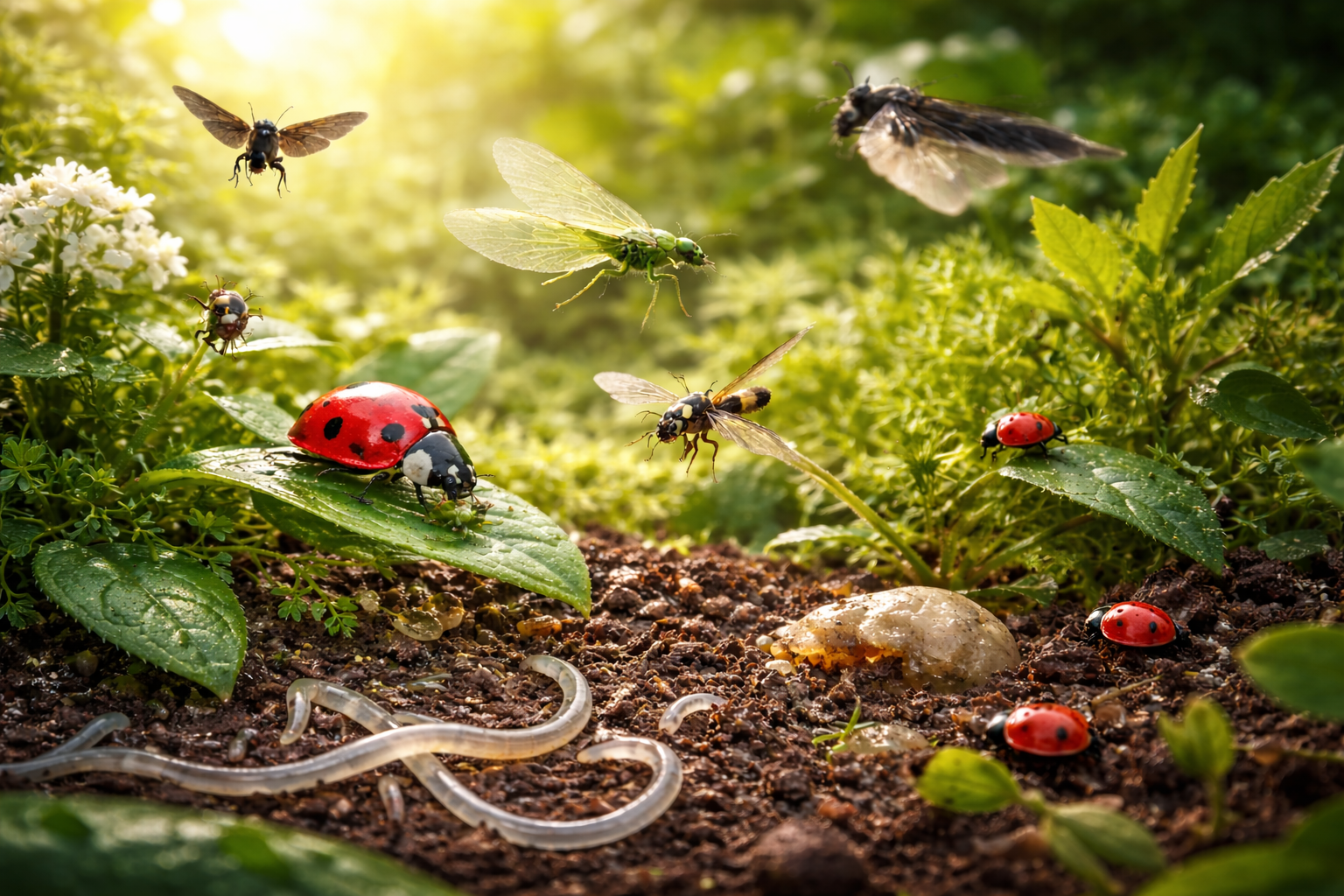
Biological control is a core strategy of Integrated Pest Management (IPM) that uses beneficial insects, predatory mites, and natural enemies to reduce pest populations naturally. Instead of relying solely on pesticides, biological control introduces or encourages organisms that feed on harmful garden pests such as aphids, spider mites, thrips, and whiteflies.
Using beneficial predators improves plant health, ecosystem balance, and long-term pest suppression while reducing chemical pesticide use. It is widely used in organic gardening, greenhouse growing, hydroponics, and commercial agriculture.
Checklist
✔ Identify the pest species correctly
✔ Select the correct beneficial predator
✔ Release beneficial insects early in infestation
✔ Maintain habitat for beneficial insects
✔ Avoid broad-spectrum pesticides
✔ Monitor pest populations weekly
✔ Use companion plants to attract predators
✔ Maintain healthy plant conditions

Cultural controls focus on preventing pest infestations before they start by improving plant health and growing conditions. Healthy plants are naturally more resistant to pests and diseases.
This IPM strategy includes proper watering, sanitation, pruning, crop rotation, and airflow management. Cultural controls are considered one of the most effective long-term methods for preventing common pests like spider mites, aphids, fungus gnats, and thrips.
By adjusting the environment and cultivation practices, growers create conditions that discourage pest outbreaks while promoting vigorous plant growth.
Checklist
✔ Remove plant debris and infected leaves
✔ Maintain proper plant spacing for airflow
✔ Avoid overwatering to prevent fungus gnats
✔ Rotate crops to break pest life cycles
✔ Clean tools and growing containers
✔ Inspect plants regularly for early pest signs
✔ Use healthy soil and growing media
✔ Maintain balanced nutrients for strong plants
Cultural Control

Safe and Natural Controls
Safe and natural pest control methods help eliminate pests while minimizing risks to people, pets, beneficial insects, and the environment. These treatments are often used in organic gardening and sustainable agriculture.
Natural controls include plant-based oils, insecticidal soaps, neem oil, biological sprays, and IPM-approved solutions that disrupt pest life cycles while preserving beneficial organisms.
Products designed for Integrated Pest Management provide targeted control against pests like spider mites, aphids, whiteflies, thrips, and powdery mildew without relying on harsh chemicals.
Checklist
✔ Correctly identify the pest problem before treatment
✔ Inspect plant leaves closely, especially the underside where pests hide
✔ Begin treatment at the first signs of spider mites, aphids, thrips, or whiteflies
✔ Mix Green Cleaner IPM according to label directions
✔ Spray Green Cleaner IPM thoroughly, covering tops and undersides of leaves
✔ Apply treatment during cooler periods of the day to prevent plant stress
✔ Repeat Green Cleaner IPM applications every few days to break pest life cycles
✔ Continue monitoring plants weekly to prevent reinfestation
What is Control Methods
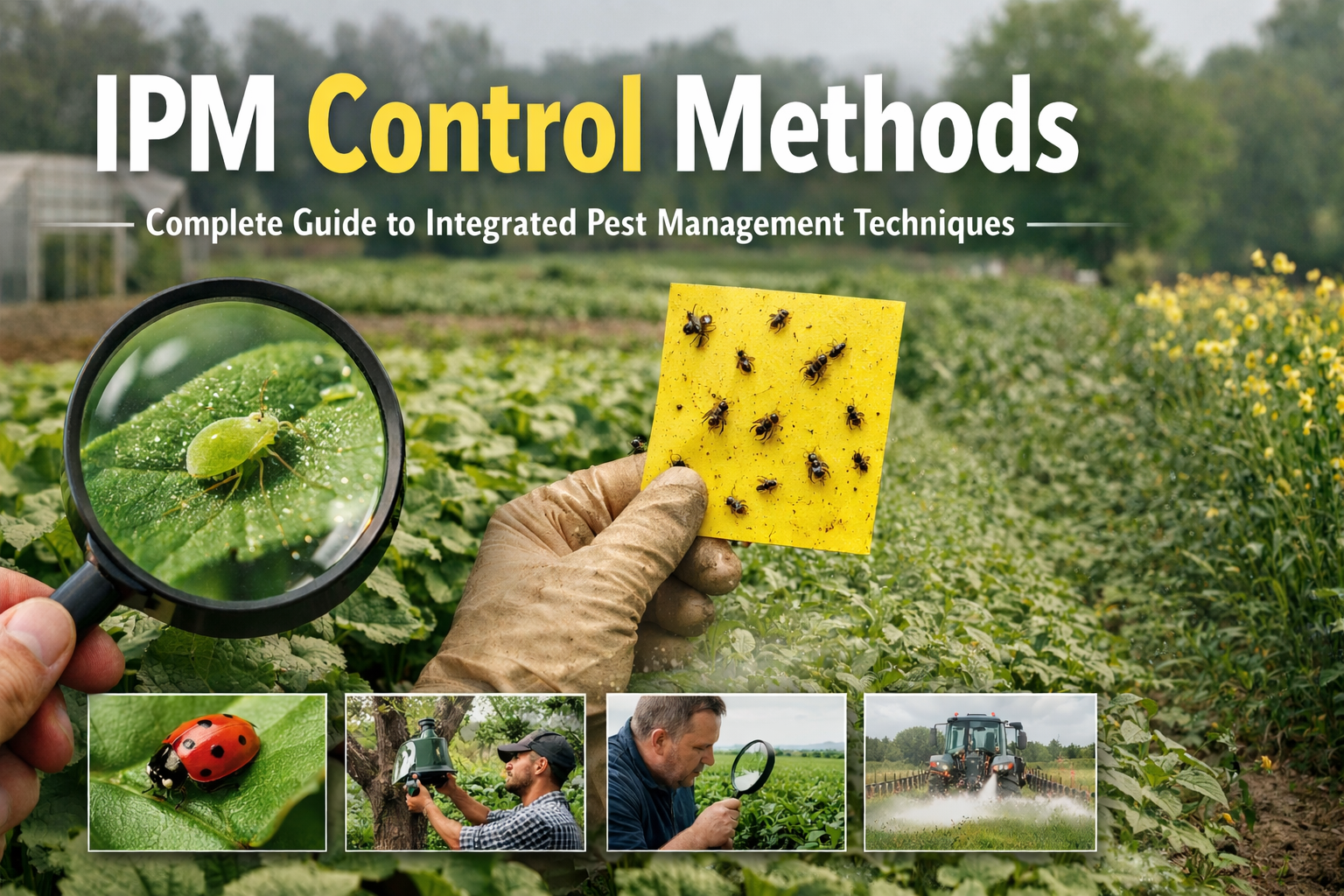
Control methods in Integrated Pest Management (IPM) are the strategies used to reduce, manage, or eliminate pest populations while protecting plant health and the surrounding environment. Instead of relying on a single pesticide treatment, IPM control methods combine multiple approaches that work together to keep pest populations below damaging levels.
In a successful IPM program, control methods are applied strategically and only when necessary, based on pest monitoring, identification, and action thresholds. This approach helps growers prevent major infestations while minimizing unnecessary pesticide use.
Mechanical & Physical Controls
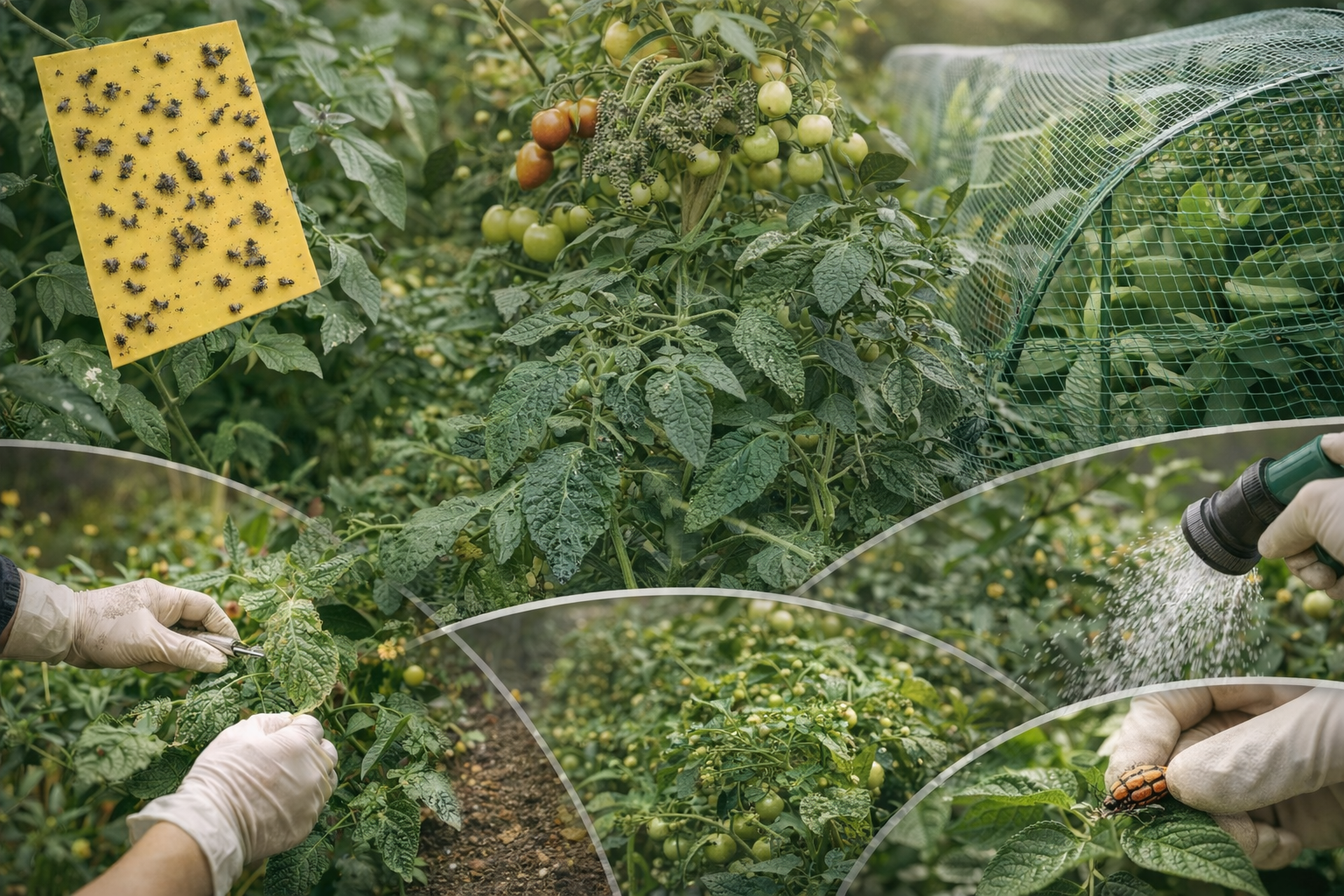
Mechanical and physical controls are non-chemical pest management methods used in Integrated Pest Management (IPM) to remove, block, or reduce pests directly. These techniques help control common garden pests such as aphids, spider mites, fungus gnats, thrips, and whiteflies without relying on pesticides. Common IPM techniques include sticky traps for flying insects, pruning infested leaves, hand removal of pests, insect barriers or netting, and washing pests off plants with water. Improving airflow, sanitation, and growing conditions can also reduce pest pressure.
IPM Control Methods Tips
Rotate crops every season to break pest life cycles and reduce soil-borne problems by up to 60%
Choose pest-resistant plant varieties labeled “resistant” or “tolerant” to naturally lower infestation risks
Space plants correctly for better airflow—prevents fungal diseases and discourages spider mites
Plant trap crops (like nasturtiums or marigolds) to lure pests away from main crops
Mulch heavily with organic materials to suppress weeds and regulate soil temperature
Maintain proper irrigation timing—avoid overhead watering to reduce leaf diseases
Test and amend soil regularly for optimal pH and nutrients so plants stay strong and pest-resistant
1
Cultural Control Methods Tips
Mechanical & Physical Control Methods Tips
2
Hand-pick larger insects every morning when they’re sluggish for quick, chemical-free removal
Install floating row covers or insect netting immediately after planting to block pests entirely
Use yellow sticky traps for aphids and whiteflies or pheromone traps for specific moths
Vacuum greenhouse pests with a handheld shop-vac and dispose of contents far from the garden
Till or solarize soil before planting to expose and kill overwintering larvae
Apply diatomaceous earth or kaolin clay as a physical barrier on leaves and stems
Use copper tape or crushed eggshells around seedlings to deter slugs and snails
Biological Control Methods Tips
3
Release ladybugs or lacewings at dusk when temperatures are above 60°F for best survival
Introduce beneficial nematodes to moist soil in spring or fall to target grubs and root pests
Spray Bacillus thuringiensis (Bt) only on caterpillars—it’s harmless to bees and butterflies
Plant pollen and nectar-rich flowers (yarrow, dill, fennel) to attract predatory insects year-round
Avoid broad-spectrum sprays that kill beneficial bugs—always check the label first
Hang birdhouses or bat boxes nearby to encourage natural predators that eat hundreds of pests nightly
Reapply microbial products every 7–14 days during active pest seasons for continuous protection
Safe and Natural Methods Tips
4
Incorporate Green Cleaner IPM spray as your go-to 3-in-1 natural solution—it suffocates spider mites (and their eggs), aphids, thrips, and controls powdery mildew on contact without harsh chemicals
Use Green Cleaner IPM on all food crops up to the day of harvest—it’s organic, food-safe, and won’t harm beneficial insects when applied correctly
Spot-treat only affected plants with Green Cleaner IPM or similar natural sprays instead of blanket applications to protect pollinators and the environment
Apply Green Cleaner IPM or other natural sprays in early morning or evening when beneficial pollinators are less active
Document every safe and natural application (date, product like Green Cleaner, rate, location) to track effectiveness and meet organic certification requirements]
Layering cultural, mechanical, biological, and safe natural methods (like Green Cleaner IPM) delivers superior sustainable pest management
Treatment Plan
Carefully inspect all plants to confirm spider mite activity by checking leaf undersides, webbing, and stippling damage. Remove heavily infested leaves and isolate affected plants to prevent spreading. Clean your grow area and tools to reduce reinfestation risk before applying treatment.
1) Preparation & Inspection
Apply Green Cleaner IPM as a full-coverage foliar spray, targeting the undersides of leaves where spider mites live and breed. Spray until leaves are evenly coated but not dripping. Treat during cooler parts of the day to avoid plant stress and maximize effectiveness.
2) Thorough Green Cleaner IPM Application
Repeat applications every 2–3 days for the first week to break the spider mite life cycle. Continue monitoring plants closely for new activity, focusing on hot spots and new growth. Early detection and consistent follow-up are key to complete control.
3) Follow-Up Treatments & Monitoring
Improve airflow, maintain proper humidity, and reduce plant stress to make conditions less favorable for spider mites. Keep your grow space clean and inspect plants regularly. Preventive maintenance helps stop future outbreaks before they start.
4) Prevention & Environmental Control
Frequently Asked Questions
-
Cultural controls (crop rotation, resistant varieties, proper spacing, mulching, and soil health) prevent pests before they become a problem. They’re free, long-lasting, and can reduce pest issues by up to 60–70% without any extra products — the #1 foundation of every successful IPM control methods gardening plan.
-
These hands-on methods physically remove or block pests: hand-picking, row covers, sticky traps, vacuuming, tilling, and barriers like copper tape or diatomaceous earth. They give instant results with zero residue and are ideal for organic and eco-friendly garden pest management.
-
Only after the first three methods aren’t enough and pest numbers exceed your action threshold. Safe and natural options like Green Cleaner IPM is used as a precise last resort to minimize harm to beneficial insects and the environment.
-
Release or attract beneficials like ladybugs, lacewings, parasitic wasps, and nematodes. Use Bt for caterpillars and plant flowers (dill, yarrow, fennel) to draw predators. Biological controls are self-sustaining and completely safe for pollinators — a favorite in sustainable pest control programs.
-
Green Cleaner IPM is a 3-in-1 organic spray that suffocates spider mites (and eggs), aphids, thrips, and powdery mildew on contact. It’s food-safe, harvest-day approved, won’t harm beneficial insects when used correctly, and is the perfect “safe and natural” tool for gardeners wanting chemical-free pest control.
-
Identify the pest first, monitor numbers, then pick the least-toxic option that matches your situation. Example: aphids → start with cultural (strong plants) → mechanical (spray with water) → biological (ladybugs) → safe natural (Green Cleaner IPM if needed).
Need a Product?
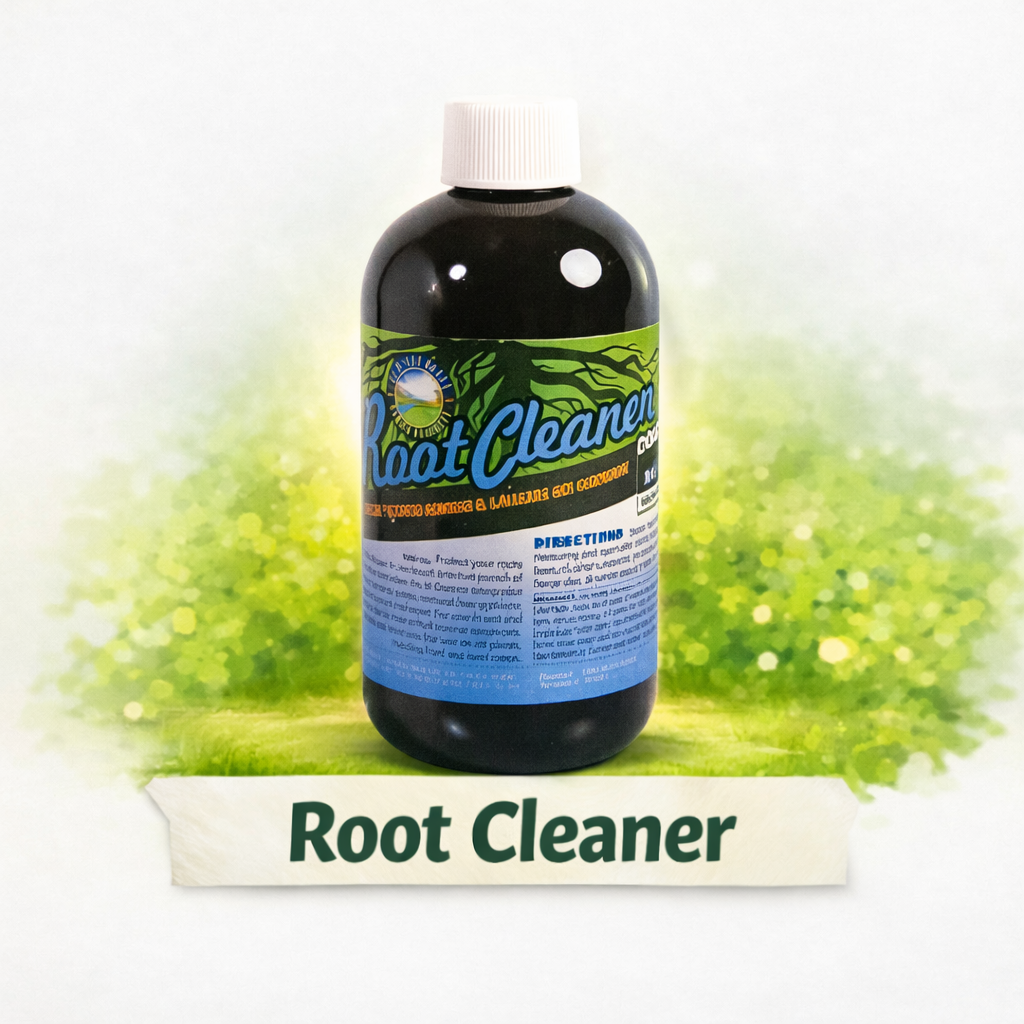
Root Cleaner
Fast and effective soil drench that helps eliminate fungus gnat larvae, flush out root-zone buildup, and support healthier plant roots for stronger growth in houseplants, raised beds, and container gardens.
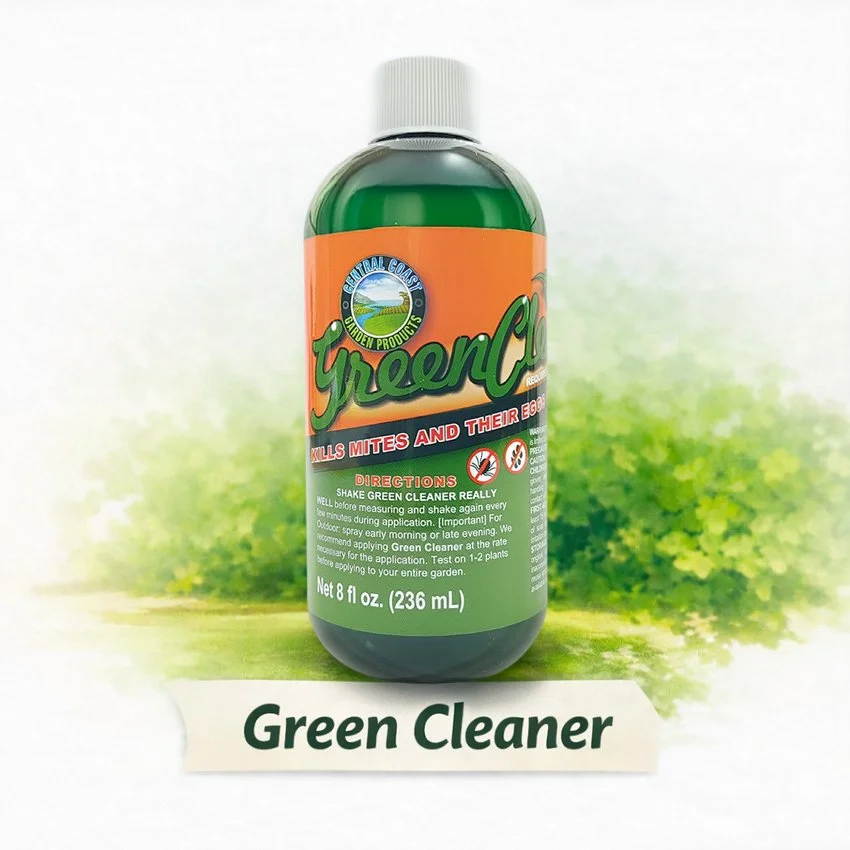
Green Cleaner
Safe and effective integrated pest management (IPM) solution for natural & non-toxic pest control—helping you prevent and treat common garden pests like aphids, spider mites, whiteflies, and fungus gnats while protecting plants