
What are IPM thresholds? - Threshold level for plant pests - How many bugs are too many?
Action Thresholds for Producing Plants
Fruit/Vegetable Threshold Examples:
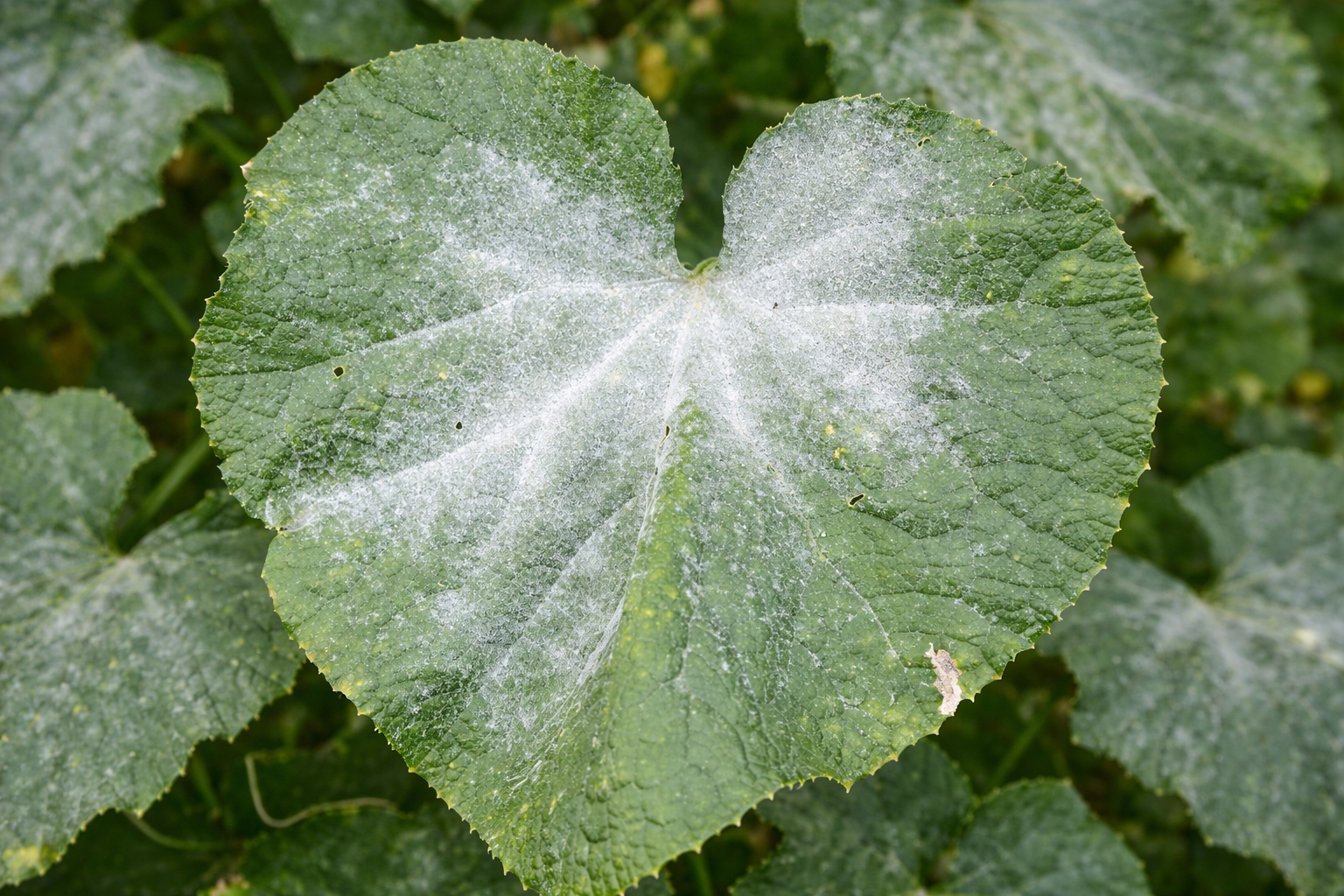
Powdery Mildew on 3 of 10 leaves
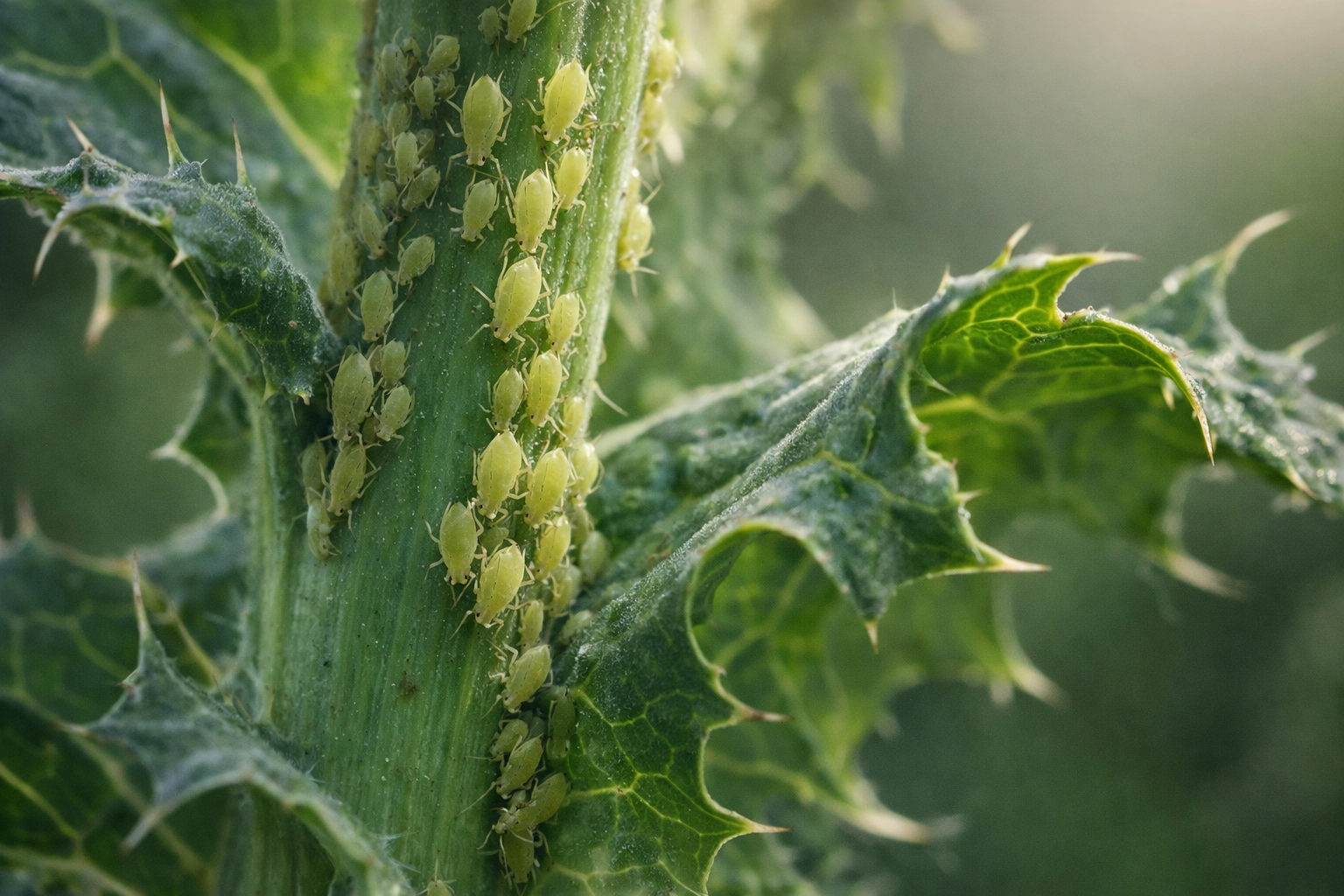
Aphid on 15-20% of stems
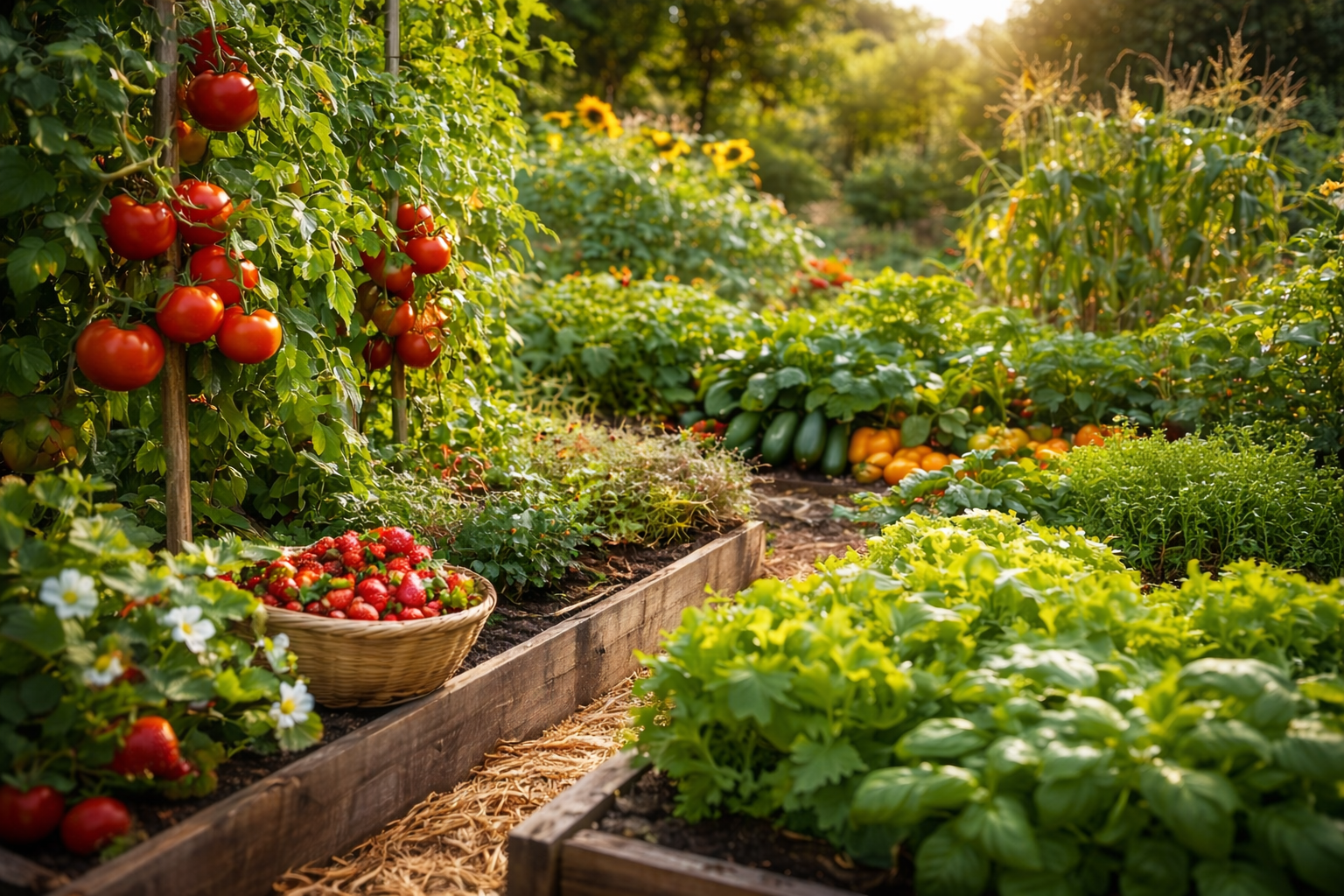

Root Damage & larvae
WHEN TO TREAT >10% range
Action Thresholds for Ornamental Plants
Ornamentals/Shrubs Threshold Examples:
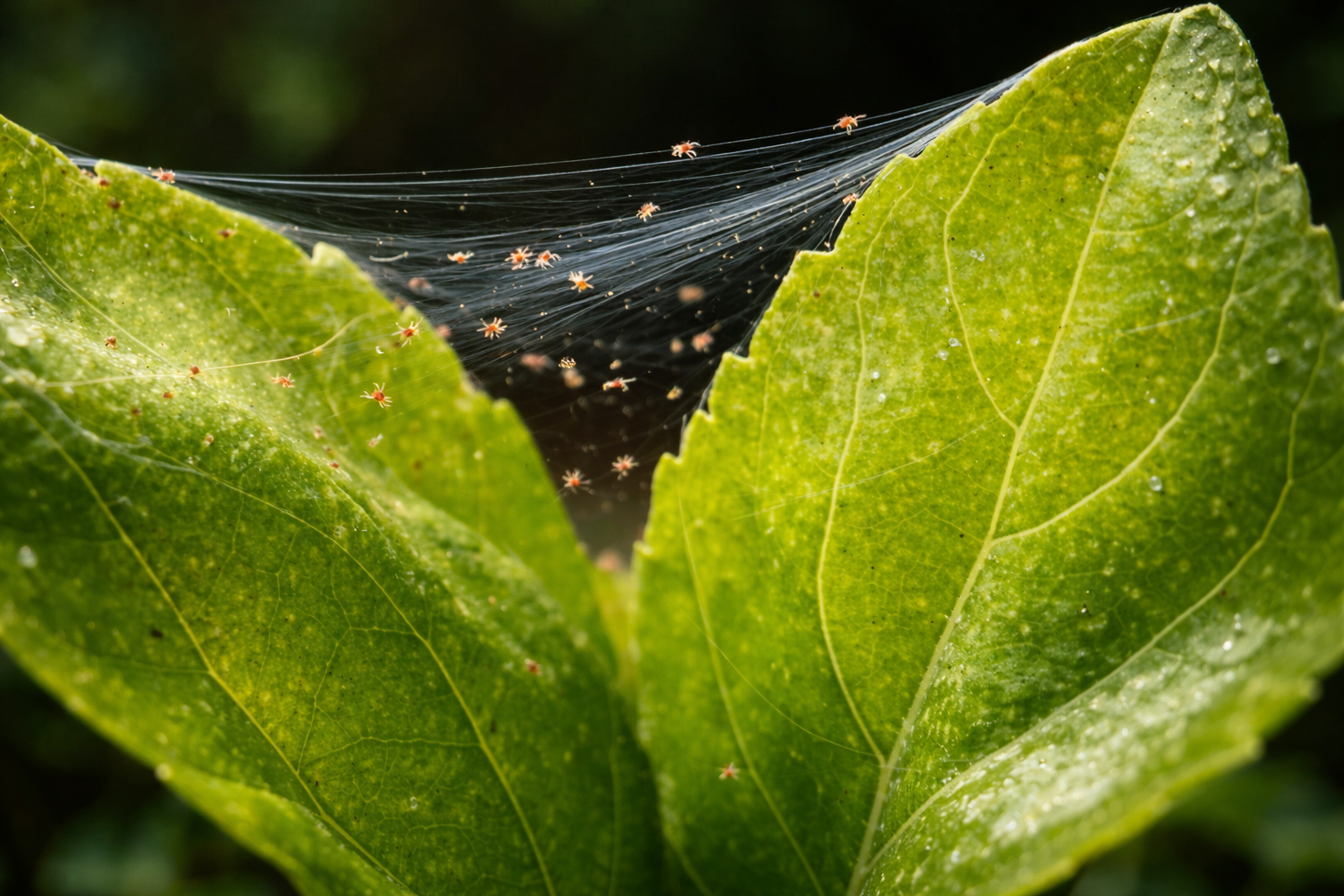
Spider Mite webbing/mites on 3 of 10 leaves
Fungus Gnats on 4+ Sticky Traps
WHEN TO TREAT >15% range
Why Set Action Thresholds
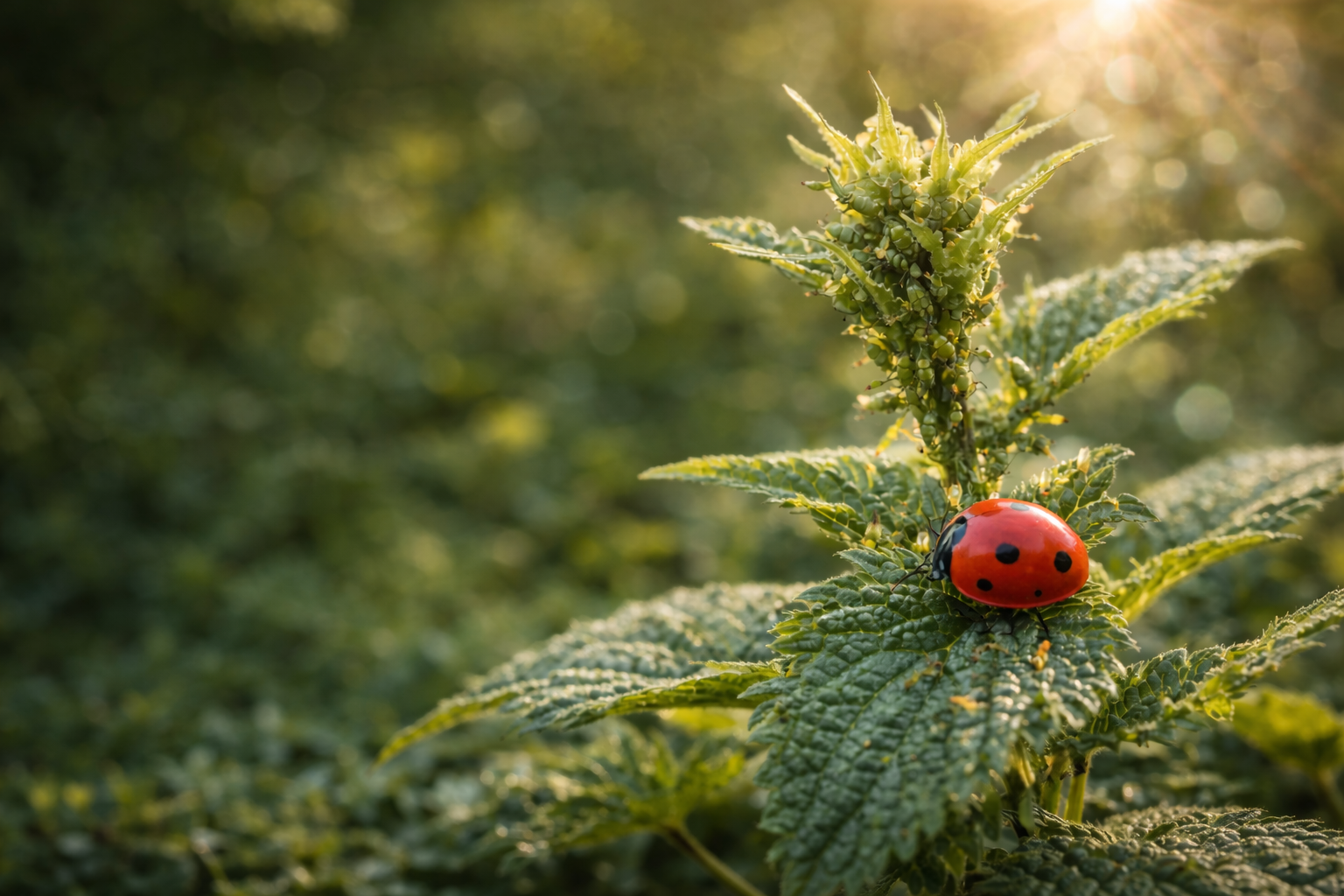
Avoid unnecessary toxic pesticides use
Always identify plant pests first before spraying. Use Green Cleaner IPM pest control methods and targeted treatments only when needed. Reducing toxic pesticide use helps protect beneficial insects, pollinators, and garden health.
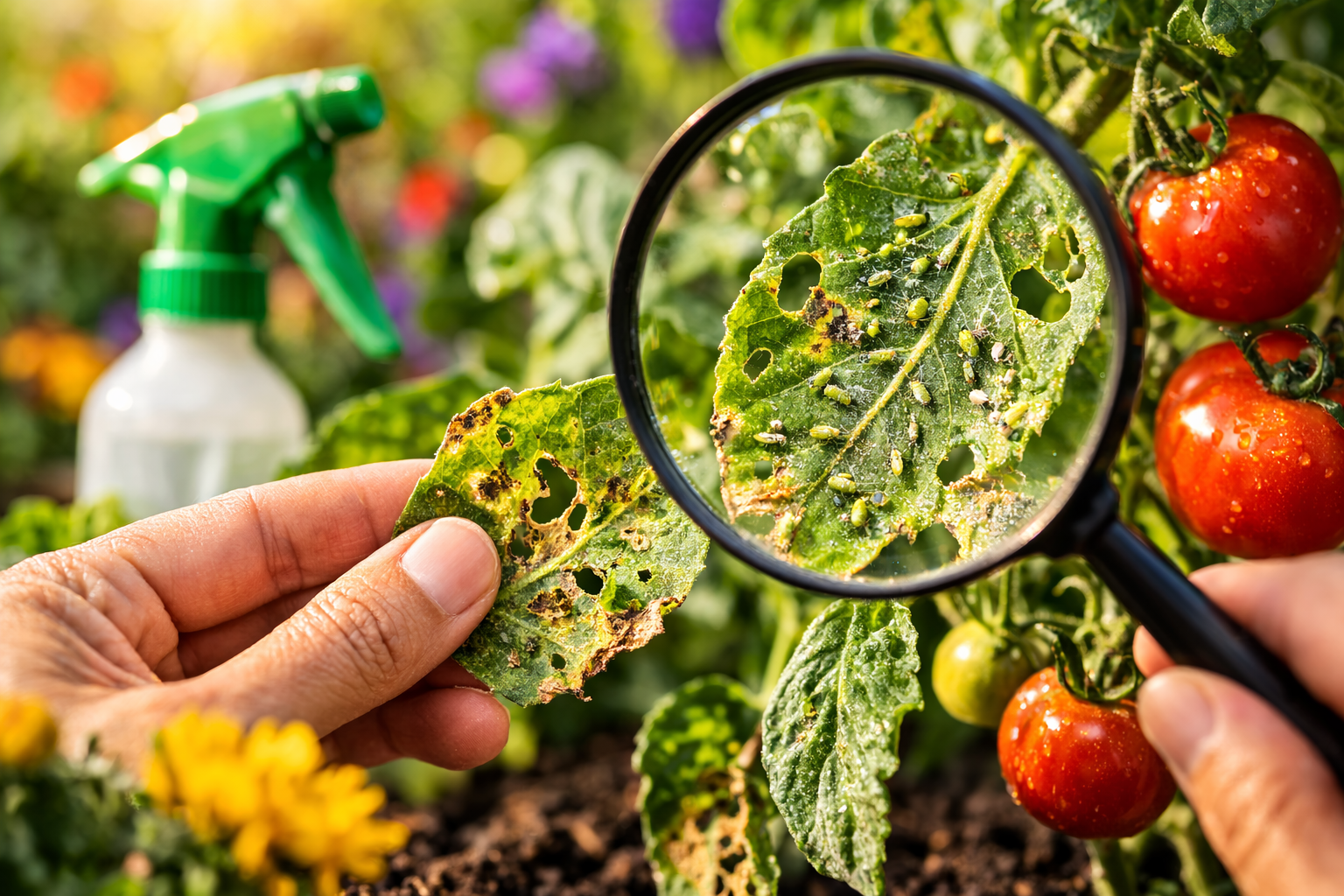
Prevent widespread infestation
Early plant pest detection and regular garden monitoring help stop small problems before they become major infestations. Inspect plants often, remove heavily infested leaves, and use IPM pest control methods like sticky traps and targeted treatments. Acting early helps prevent pest outbreaks and keeps your garden plants healthy and protected.
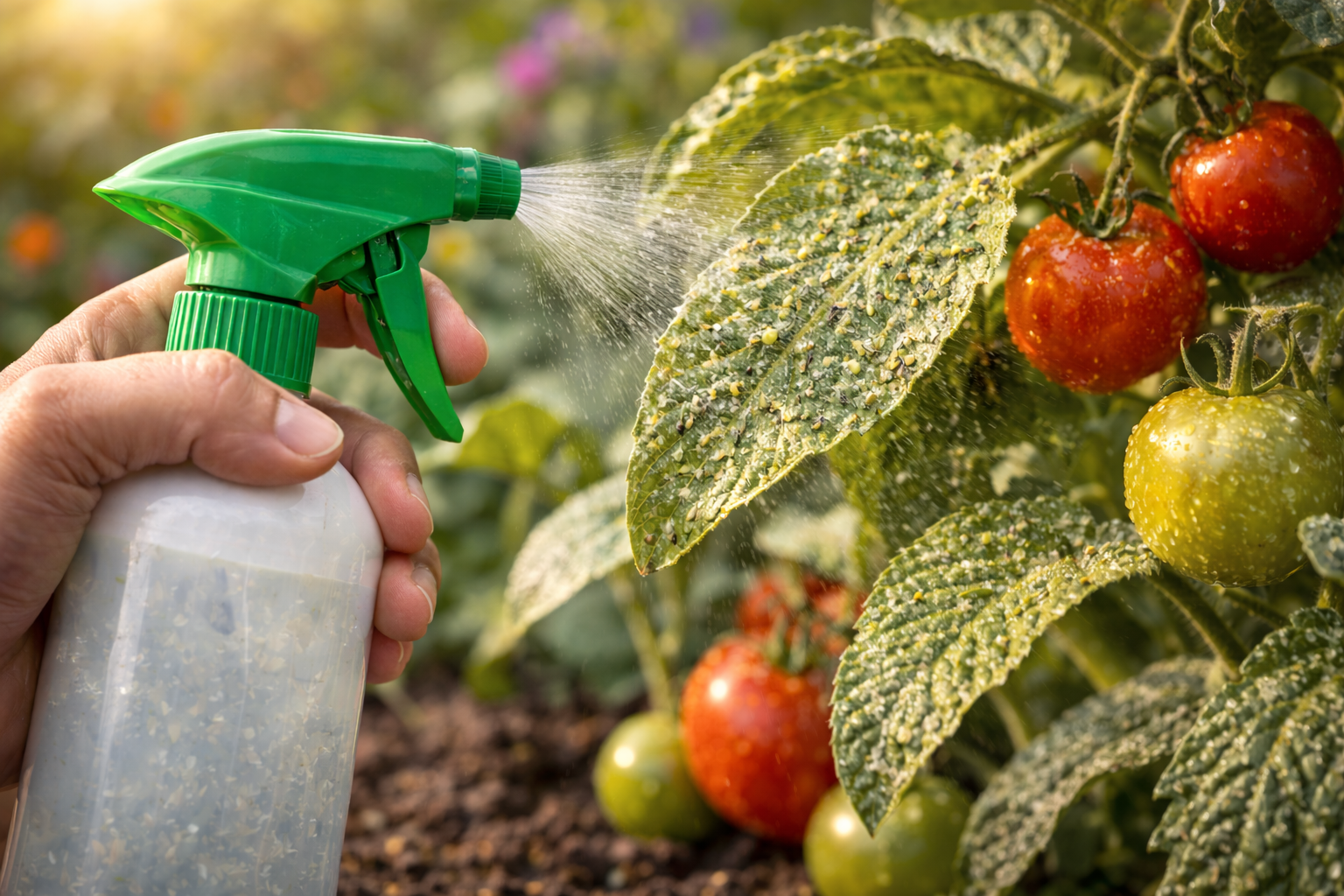
Choose the right treatment straregy
After correctly identifying the plant pest, choose a targeted IPM pest control strategy for effective treatment. Use proven solutions like Green Cleaner IPM to control common pests such as spider mites, aphids, whiteflies, and thrips. Applying the right pest treatment at the right time helps eliminate infestations while protecting beneficial insects and overall plant health.
Quick Pest ID
-
![]()
21%-40% of leaves show powdery mildew
-
![]()
Webbing or mites on 30% of leaves
-
![]()
Severe aphid infestation covering stems and leaves
-
![]()
White Flies
-
![]()
Thrips
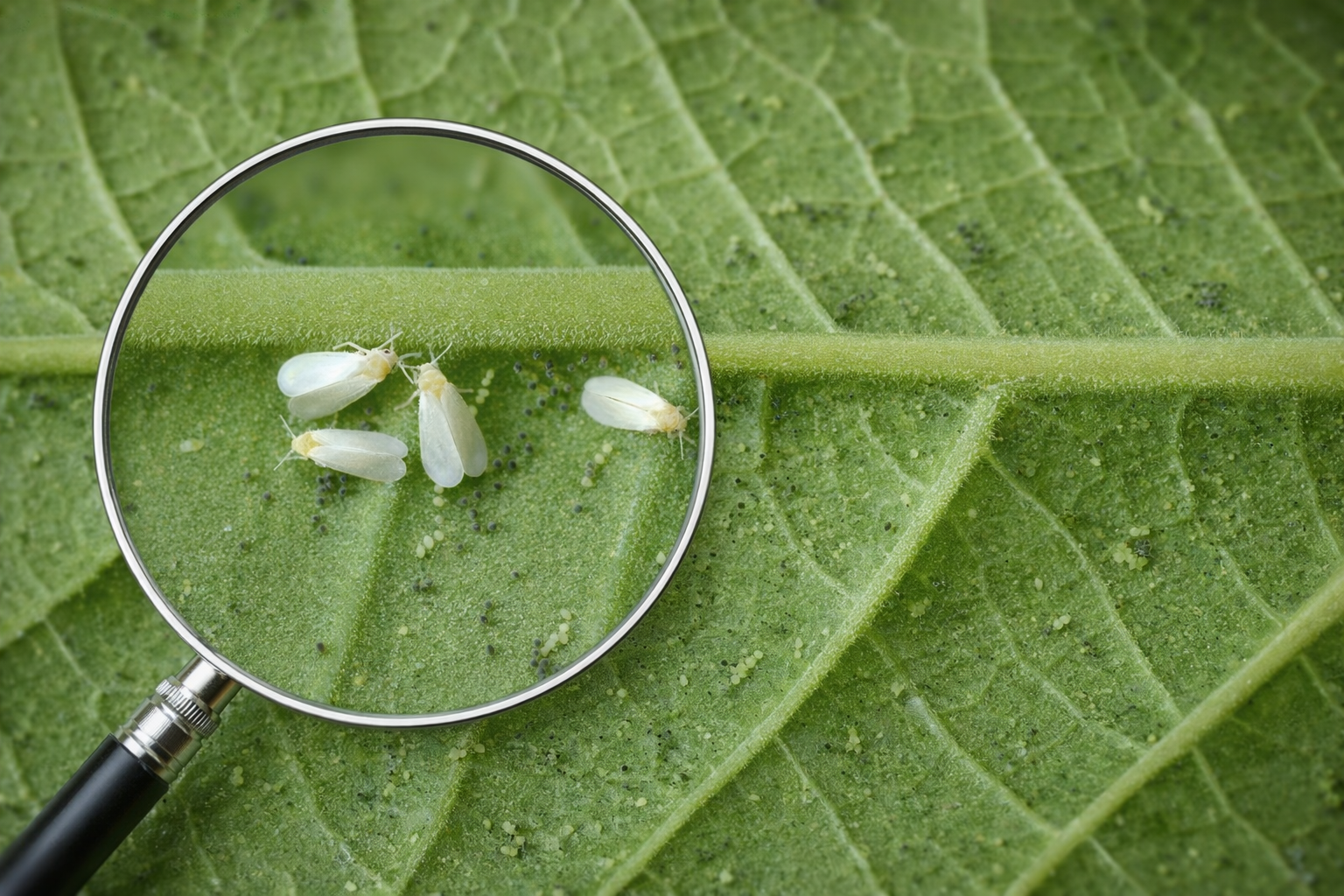
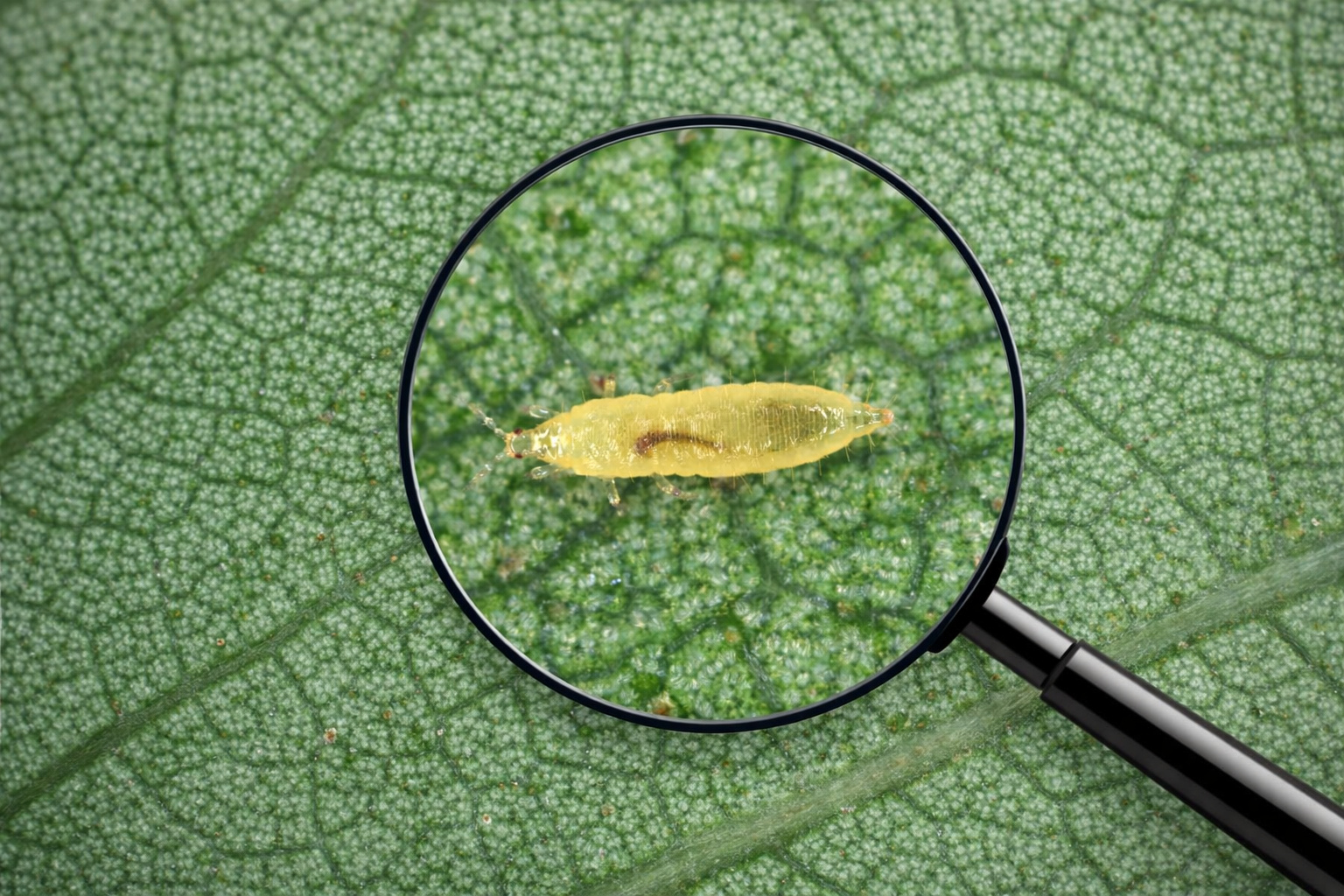
Confirm Before You Treat
Before applying any pesticide or treatment, confirm the pest or disease with proper identification and monitoring. Use tools like a hand lens, sticky traps, or simple field tests to verify the problem and compare symptoms to reliable IPM guides. Accurate identification prevents unnecessary pesticide use, protects beneficial insects, and ensures you choose the most effective treatment strategy.
Use tools like a 10x–30x magnifier, sticky traps, or simple monitoring tests to verify what you’re dealing with. Accurate identification helps you choose the right control method, avoid unnecessary toxic chemicals, and protect beneficial insects while solving the problem faster.
Unchecked pest populations grow exponentially in warm conditions.
Frequently Asked Questions
-
The Set Action Threshold is the core first step in integrated pest management (IPM). It defines the exact pest population level, damage amount, or site condition where you must take action. Below the IPM action threshold, no treatment is needed. This prevents unnecessary spraying and supports smart pest population control.
-
Unchecked pest populations grow exponentially in warm conditions. Without a clear IPM action threshold, facilities default to the “see it, spray it” habit. Setting a pest management action threshold forces you to ask: “Will this level actually cause economic, health, or aesthetic damage?” This single decision in integrated pest management cuts pesticide use by 30–70 %, saves money, protects pollinators, and reduces resistance — the #1 reason schools, landscapers, and growers adopt set action threshold strategies.
-
How do I set an effective action threshold for pest population control?
Use these five proven factors taught in the IPM Learning Center: • Crop or site value (economics) • Health & safety risks • Aesthetic tolerance • Environmental impact (pollinators, waterways) • Site history and current beneficial insect levels The interactive set action threshold tool inside the Learning Center helps you build custom thresholds for every zone on your property.
-
Monitoring tells you exactly when you’ve crossed the line. Regular scouting and trapping turn the IPM action threshold into an objective decision. The Monitoring module in the IPM Learning Center pairs perfectly with Set Action Threshold IPM, providing ready-to-use data sheets so pest management action threshold decisions are quick and defensible.
-
That’s normal and exactly why Set Action Threshold IPM exists. Keep monitoring and boost prevention (cultural, mechanical, and biological controls) instead of treating early. Staying under the threshold — even when pests are visible — stops the exponential surge that happens in warm conditions and often eliminates chemical needs the following season.
-
Go directly to the Monitor & Identify Pests module. With your IPM action thresholds set, the scouting tools and pest ID library show you exactly how to track populations and select the lowest-risk controls like Green Cleaner IPM when needed. Join the IPM Learning Center community to share your custom Set Action Threshold IPM charts with pest managers in your region.
Treatment Plan
Correct plant pest identification is the first step in Integrated Pest Management (IPM). Look for signs of spider mites, aphids, thrips, whiteflies, or fungus gnats before choosing a treatment.
Identify the Pest
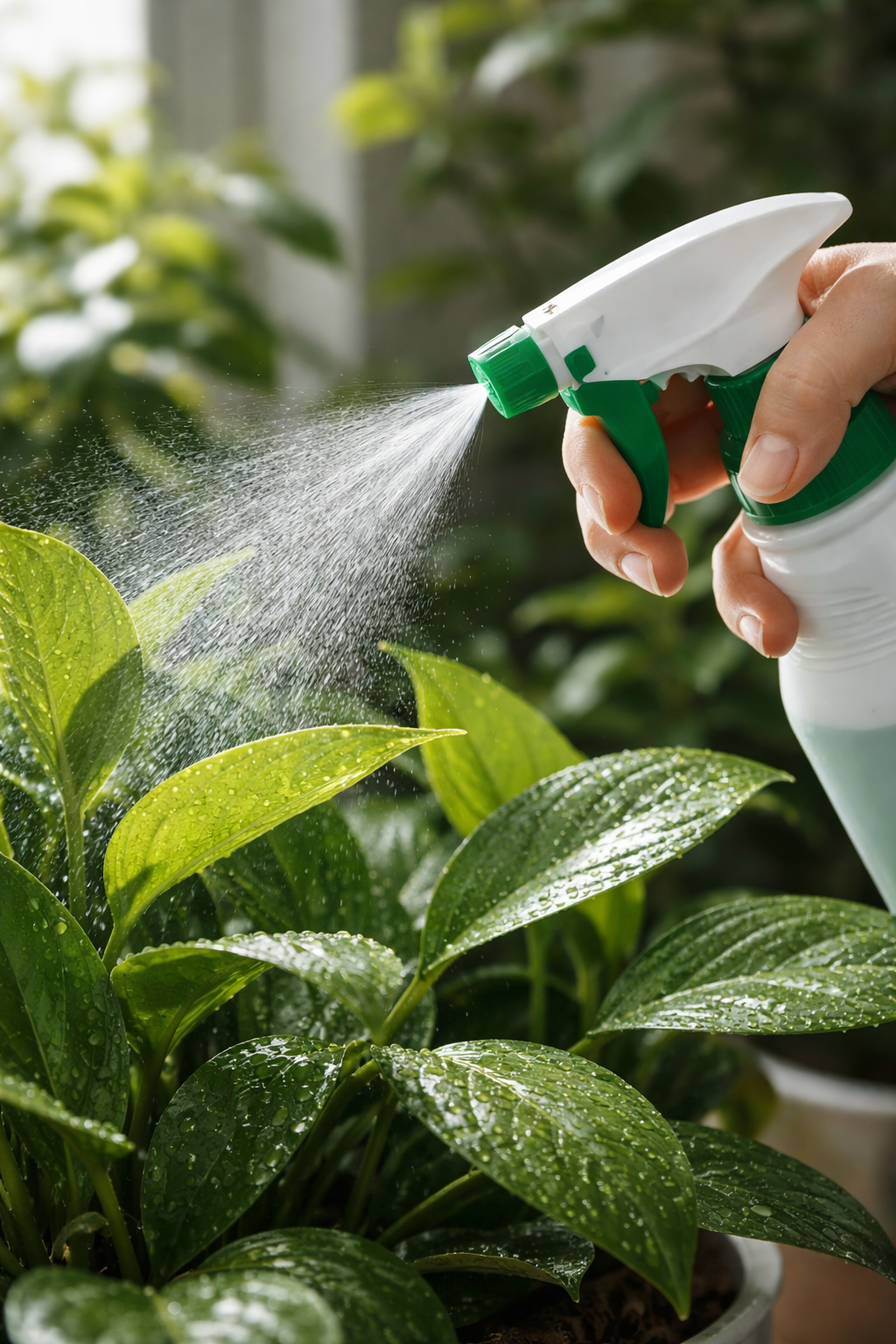
Remove heavily infested leaves and rinse plants with water to quickly lower pest populations. Early action helps prevent plant pest infestations from spreading.
Reduce Pest Population
Spray Green Cleaner IPM thoroughly on leaves and stems, including the underside of leaves where pests hide. This helps control spider mites, aphids, thrips, and whiteflies.
Apply Green Cleaner IPM
Continue IPM monitoring using regular plant inspections and sticky yellow cards. Repeat treatment if needed to maintain effective plant pest control and prevent reinfestation.
Monitor & Repeat Treatment
Need a Product?
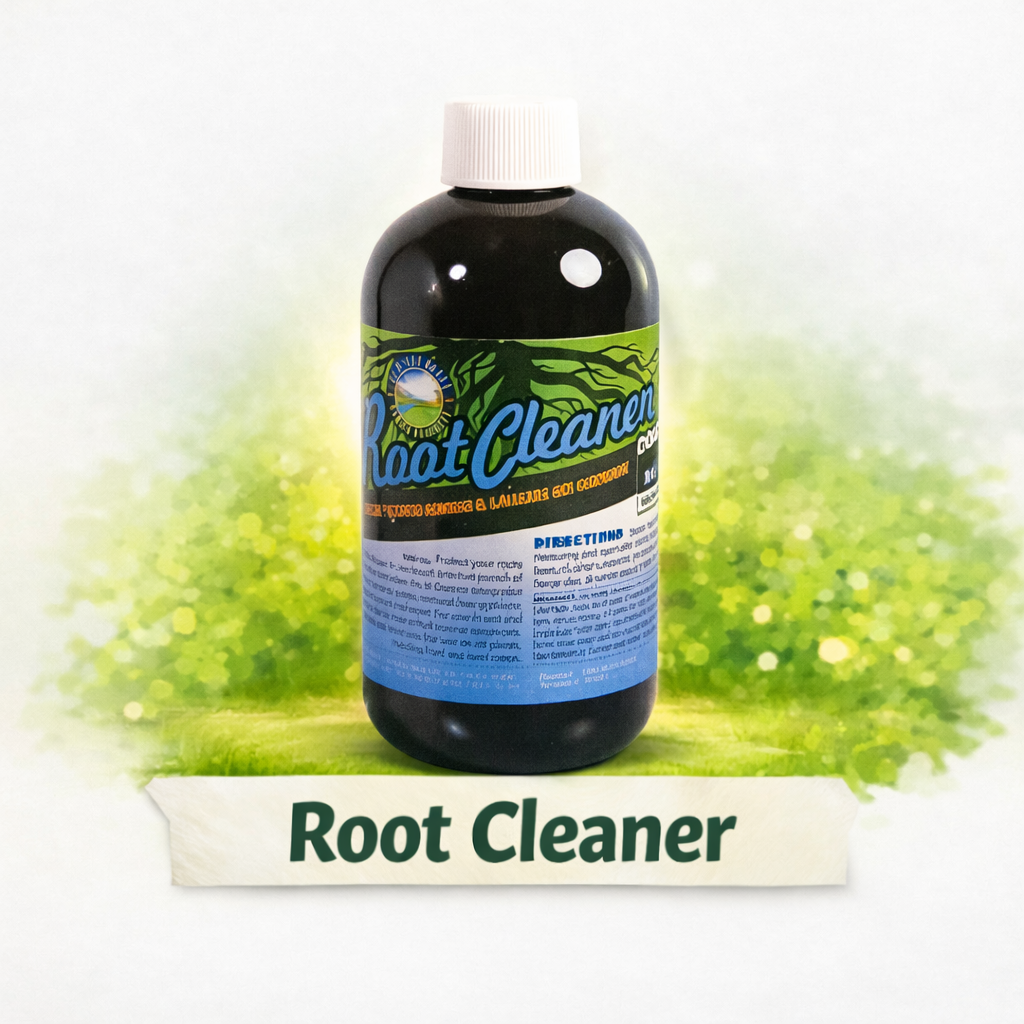
Root Cleaner
Fast and effective soil drench that helps eliminate fungus gnat larvae, flush out root-zone buildup, and support healthier plant roots for stronger growth in houseplants, raised beds, and container gardens.
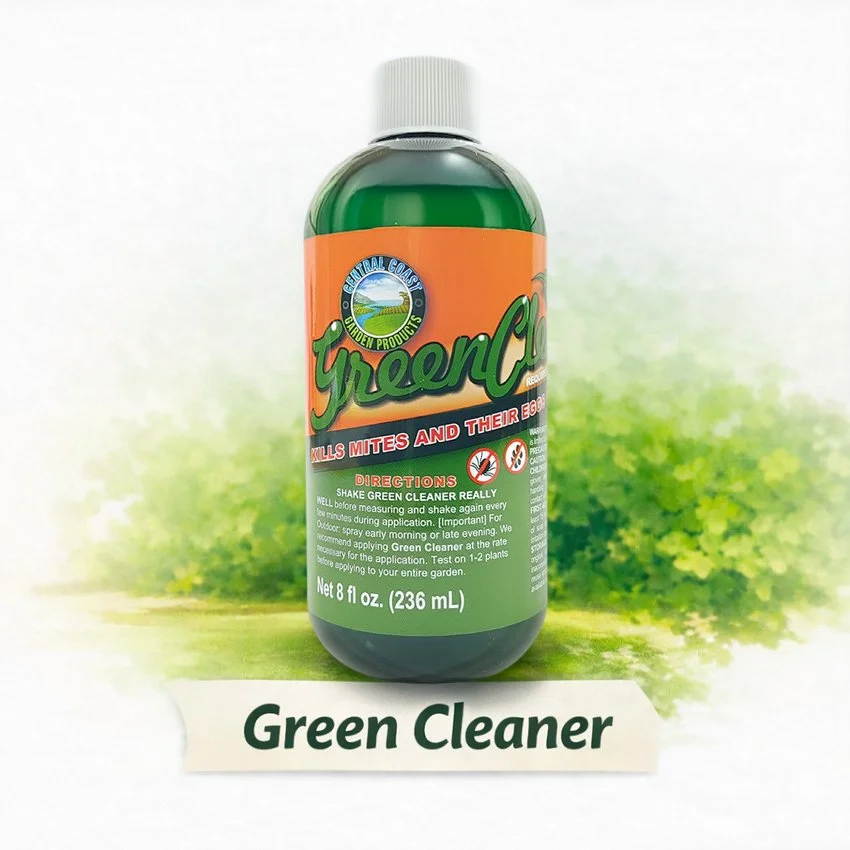
Green Cleaner
Safe and effective integrated pest management (IPM) solution for natural & non-toxic pest control—helping you prevent and treat common garden pests like aphids, spider mites, whiteflies, and fungus gnats while protecting plants