
IDENTIFY PLANTS PESTS, DISEASES, AND BENEFICIAL INSECTS IN YOUR GARDEN - CONFIRM BEFOR YOU TREAT
Quick Pest ID
-
![]()
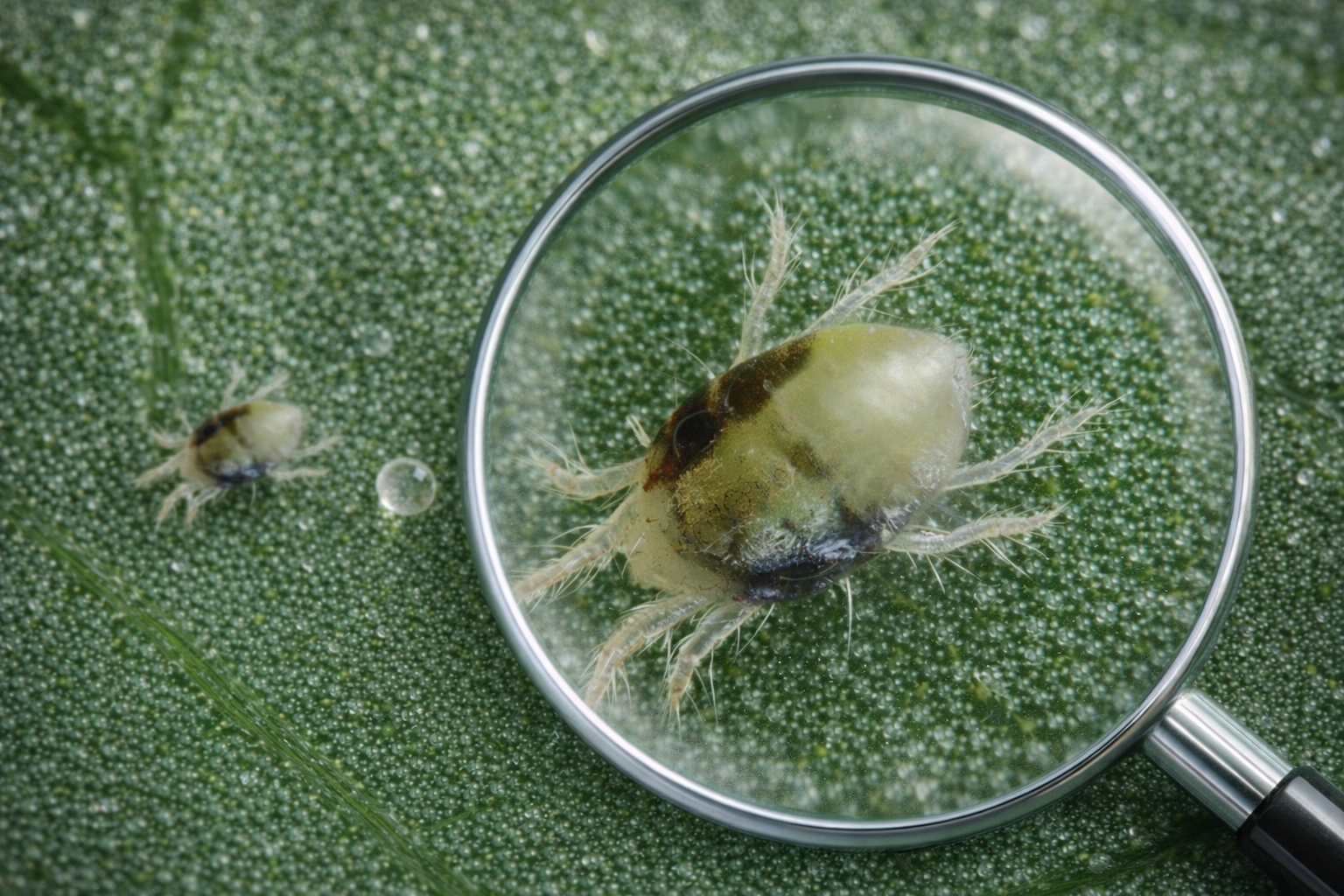
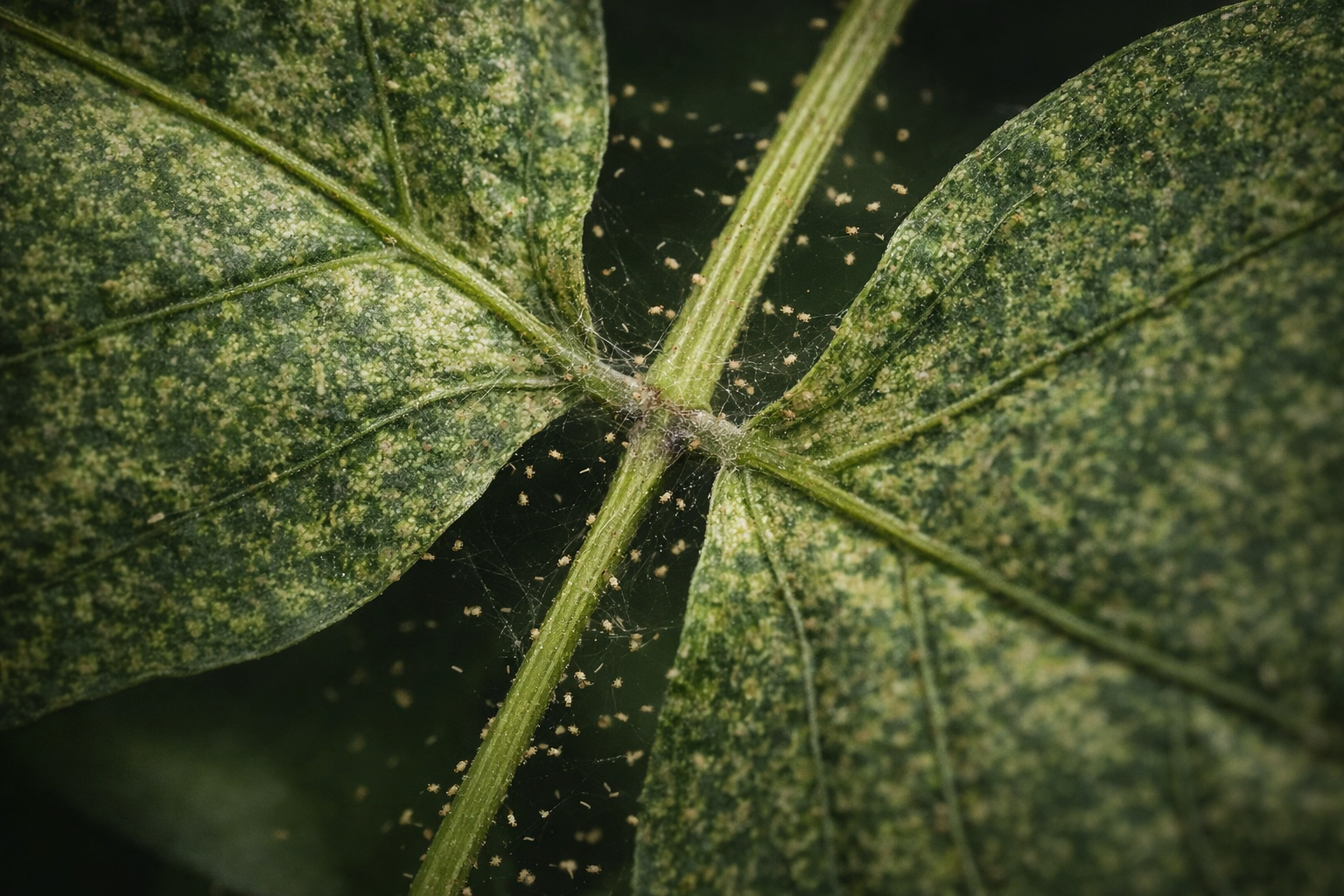
Spider Mites
-
![]()
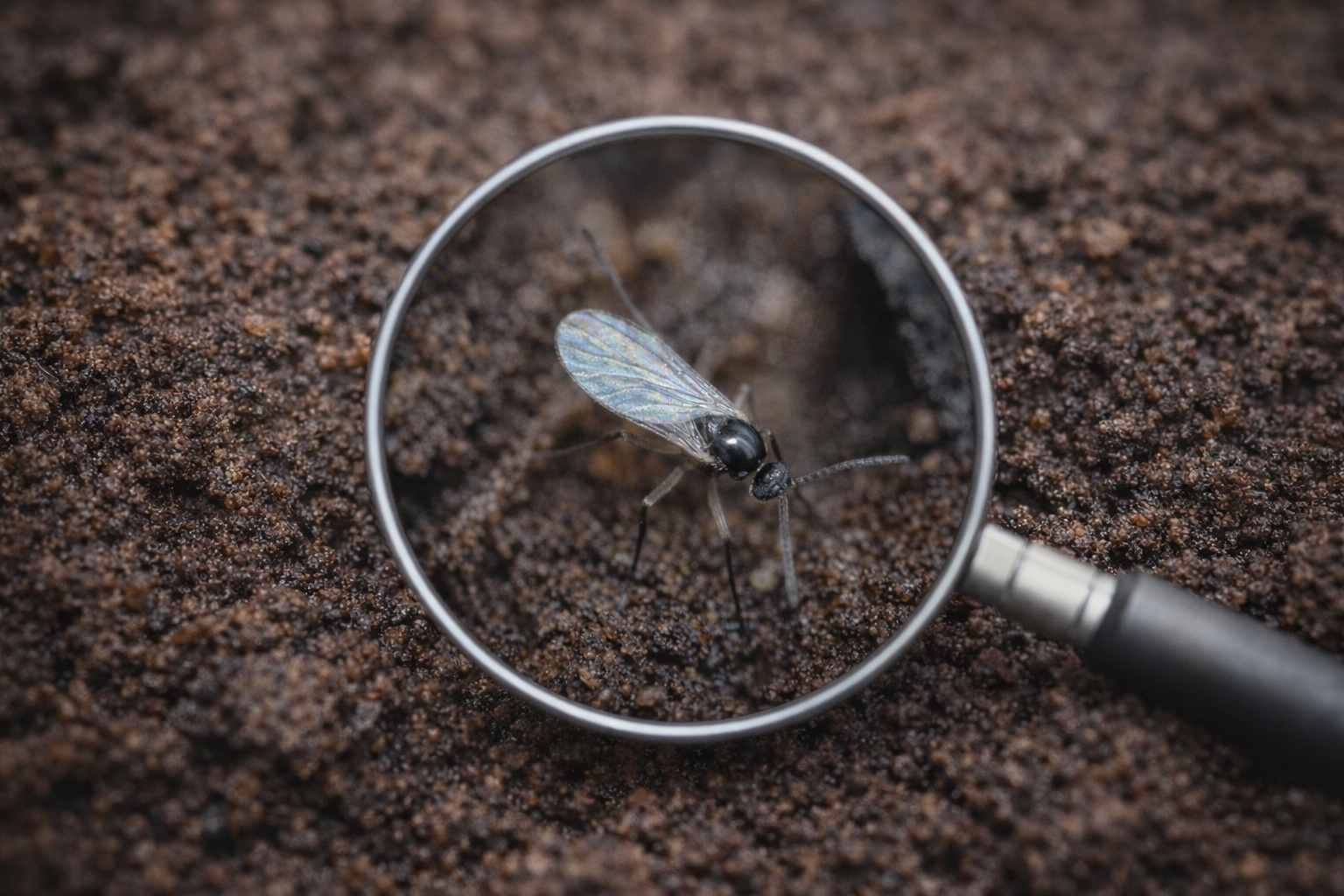
Fungus Gnats
-
![]()
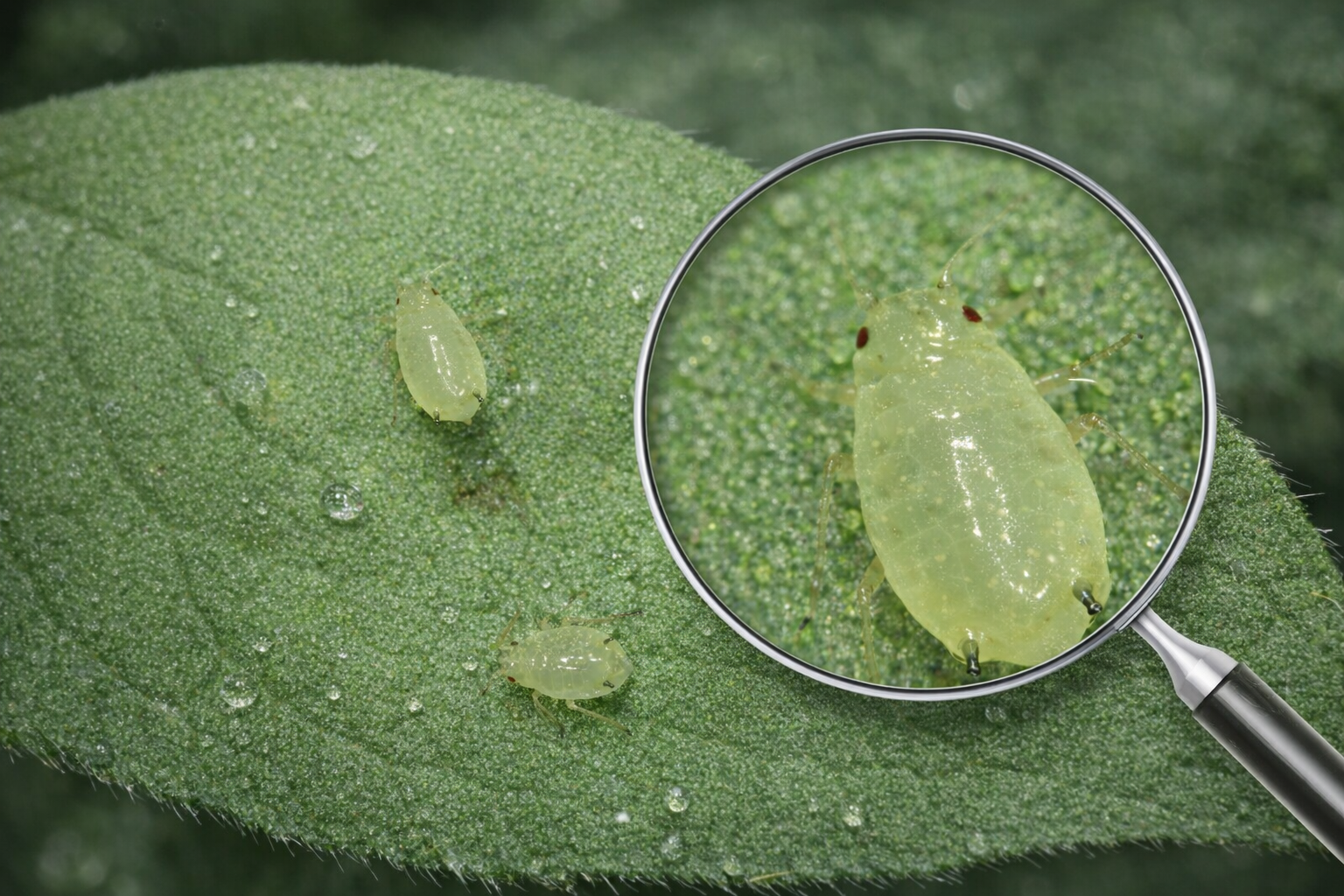
Aphids
-
![]()
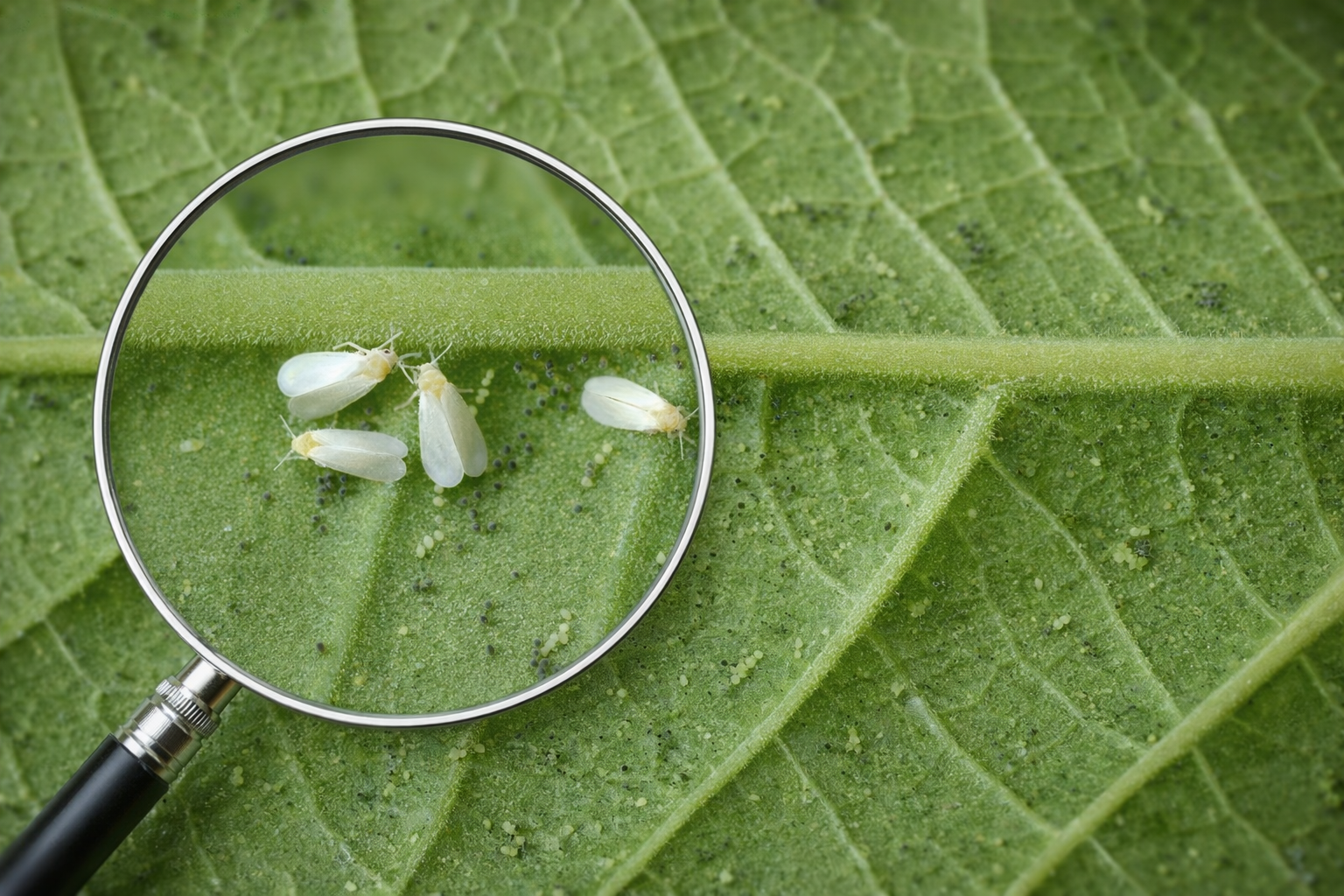
White Flies
-
![]()
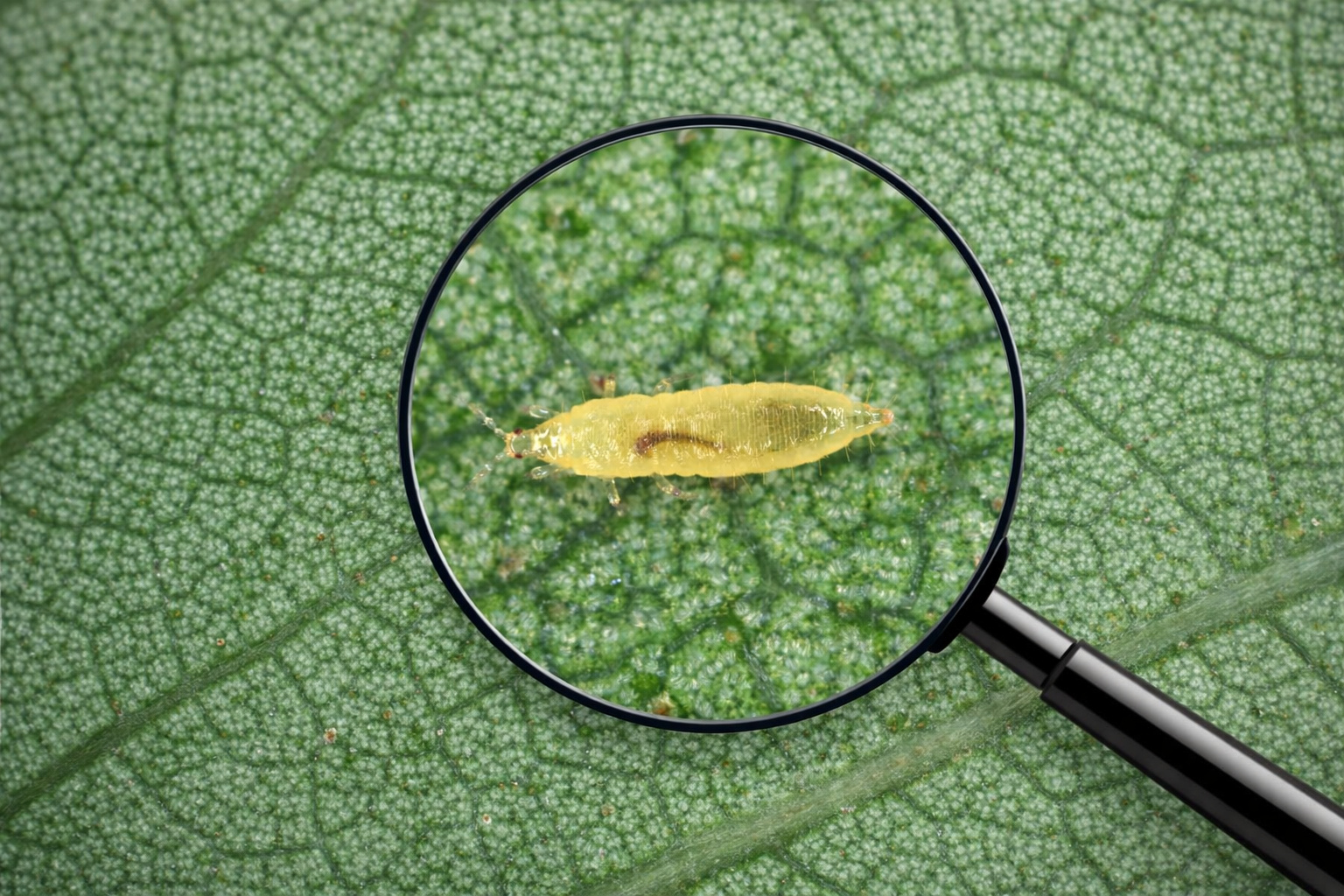
Thrips

Symptoms to Watch For
Root Damage & larvae
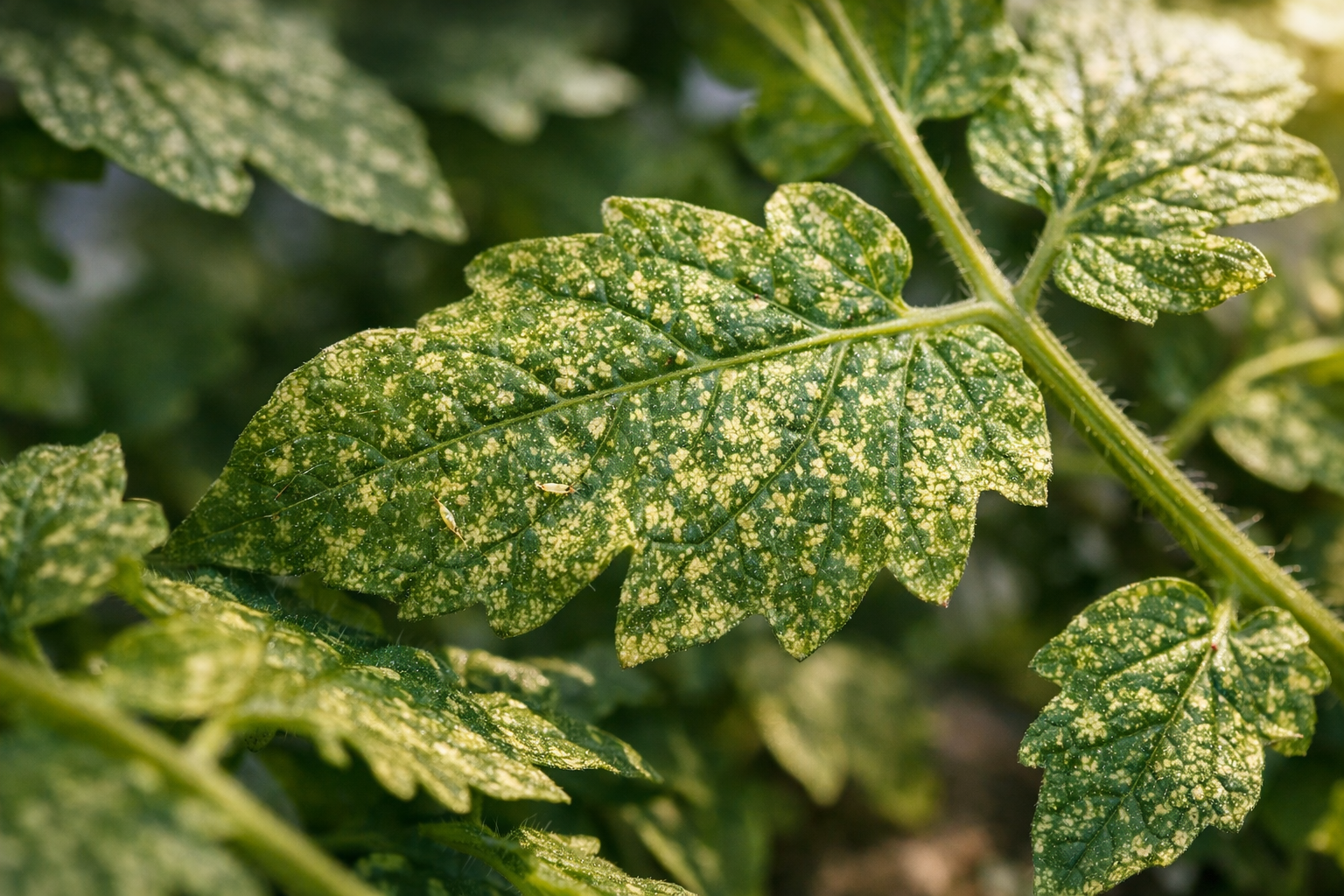
Spider Mite Damage: Rust-Colored Spotted Leaves and Webbing
Damp Soil & Draining Trays
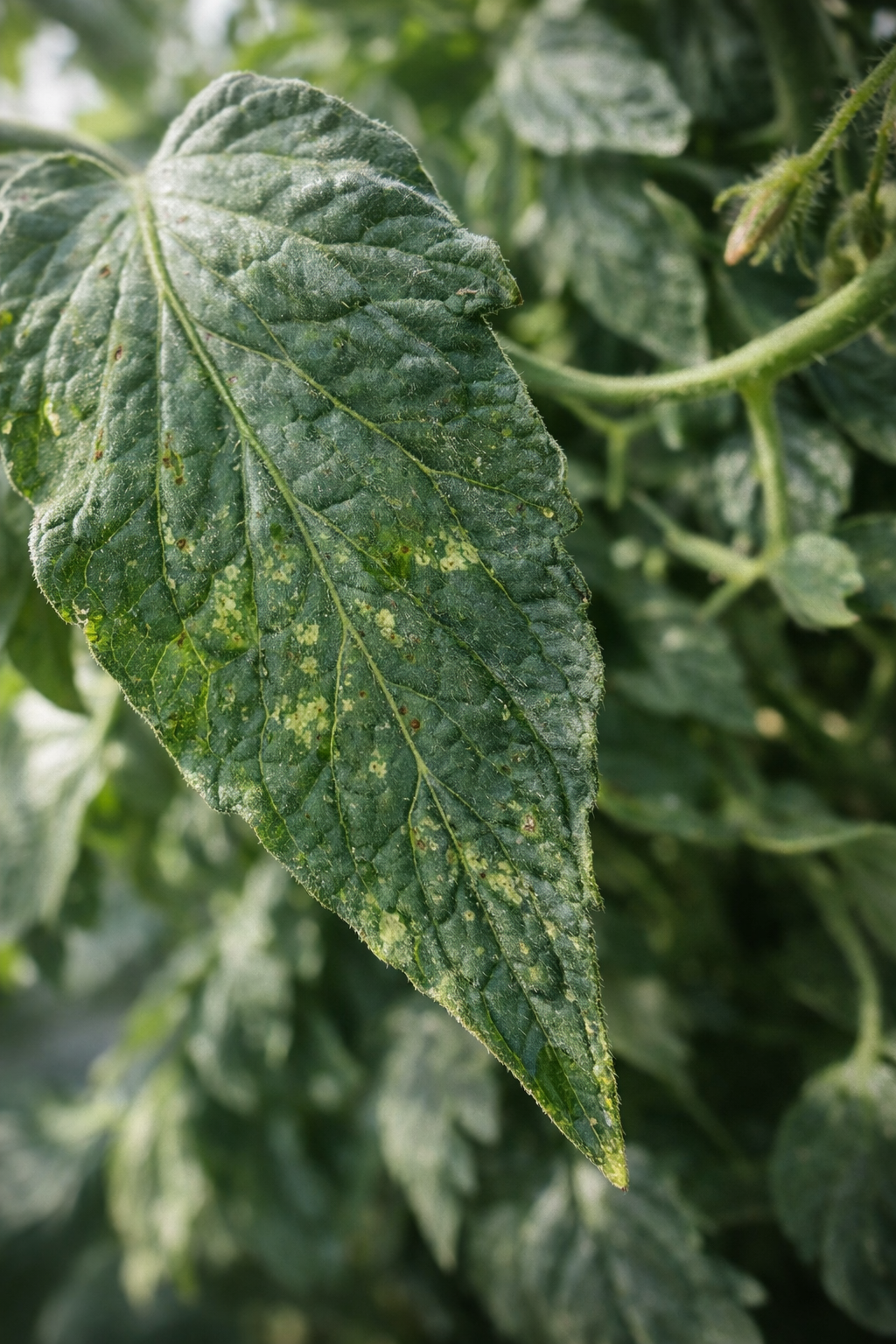
Thrips Damage: Speckled Yellow Leaf Spots
Root Damage & larvae
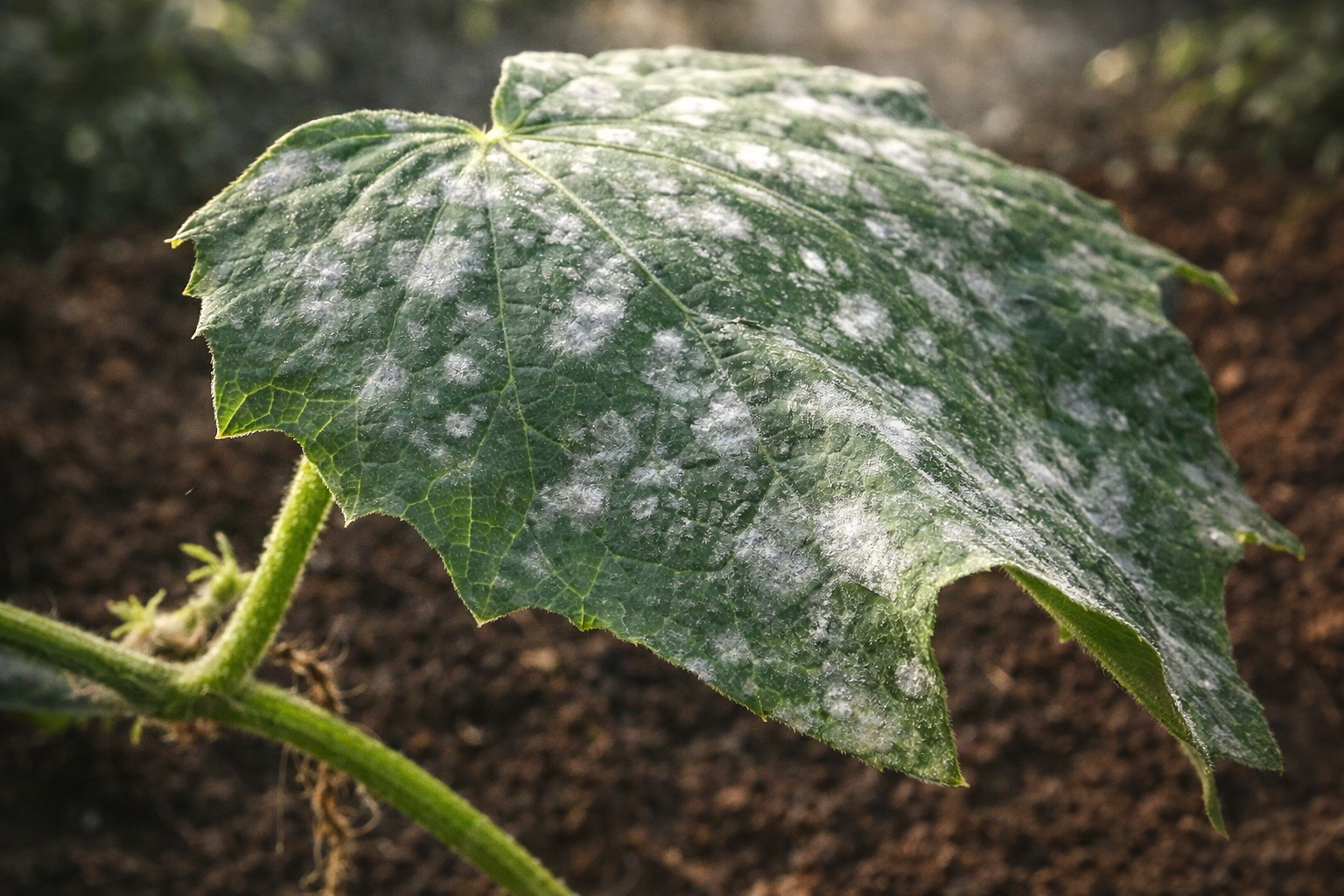
Powdery Mildew Fungal Growth on Leaves
Damp Soil & Draining Trays
Aphid Damage: Yellowing, Curling Plant Leaves
Confirm Before You Treat
Don’t assume - use these simple tests to quickly verify the type and presence of pests. Correct pest identification is the foundation of effective IPM. Before applying any treatment, confirm the problem by carefully inspecting leaves, stems, and soil for the actual pest or disease causing the damage.
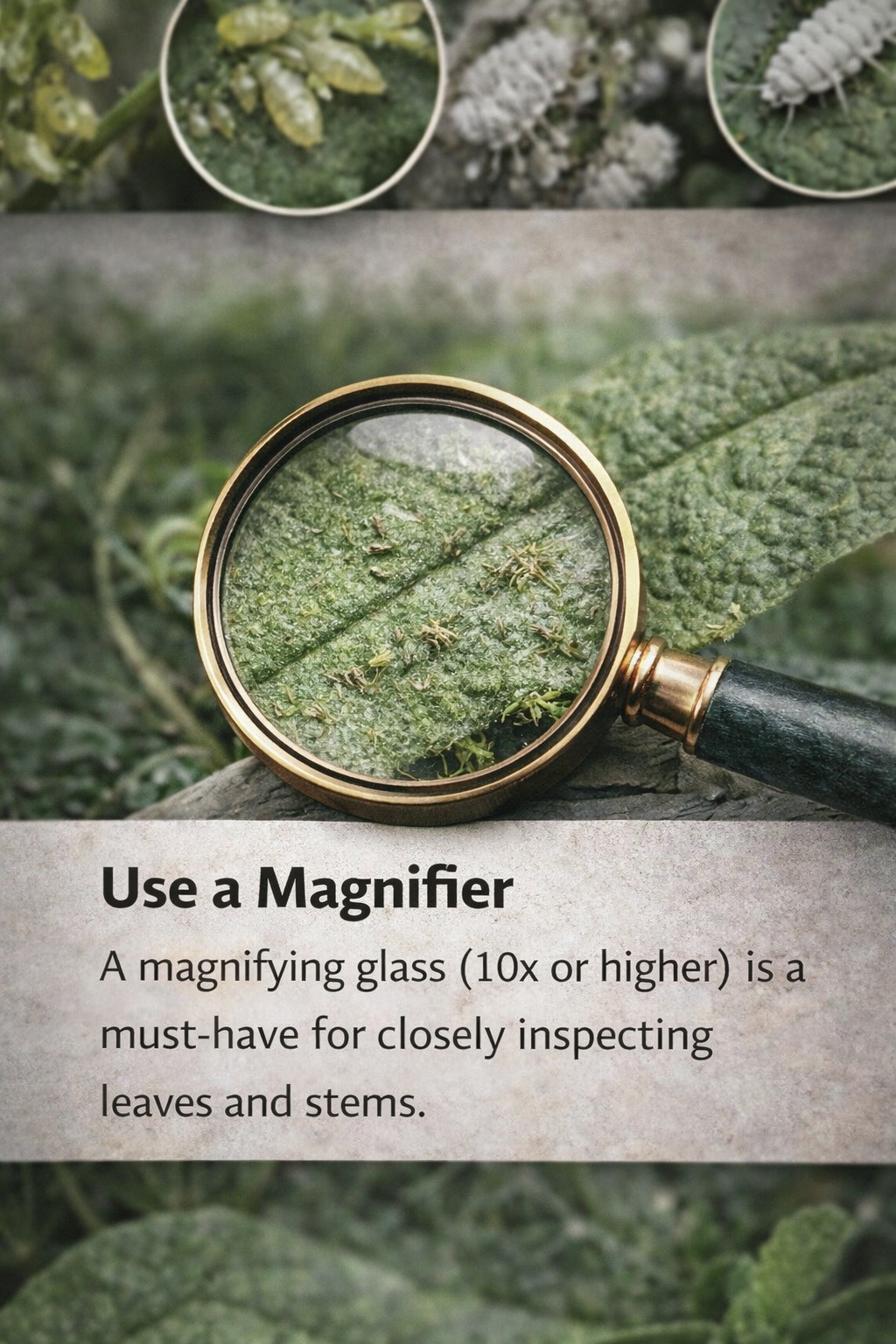
Use tools like a 10x–30x magnifier, sticky traps, or simple monitoring tests to verify what you’re dealing with. Accurate identification helps you choose the right control method, avoid unnecessary toxic chemicals, and protect beneficial insects while solving the problem faster.
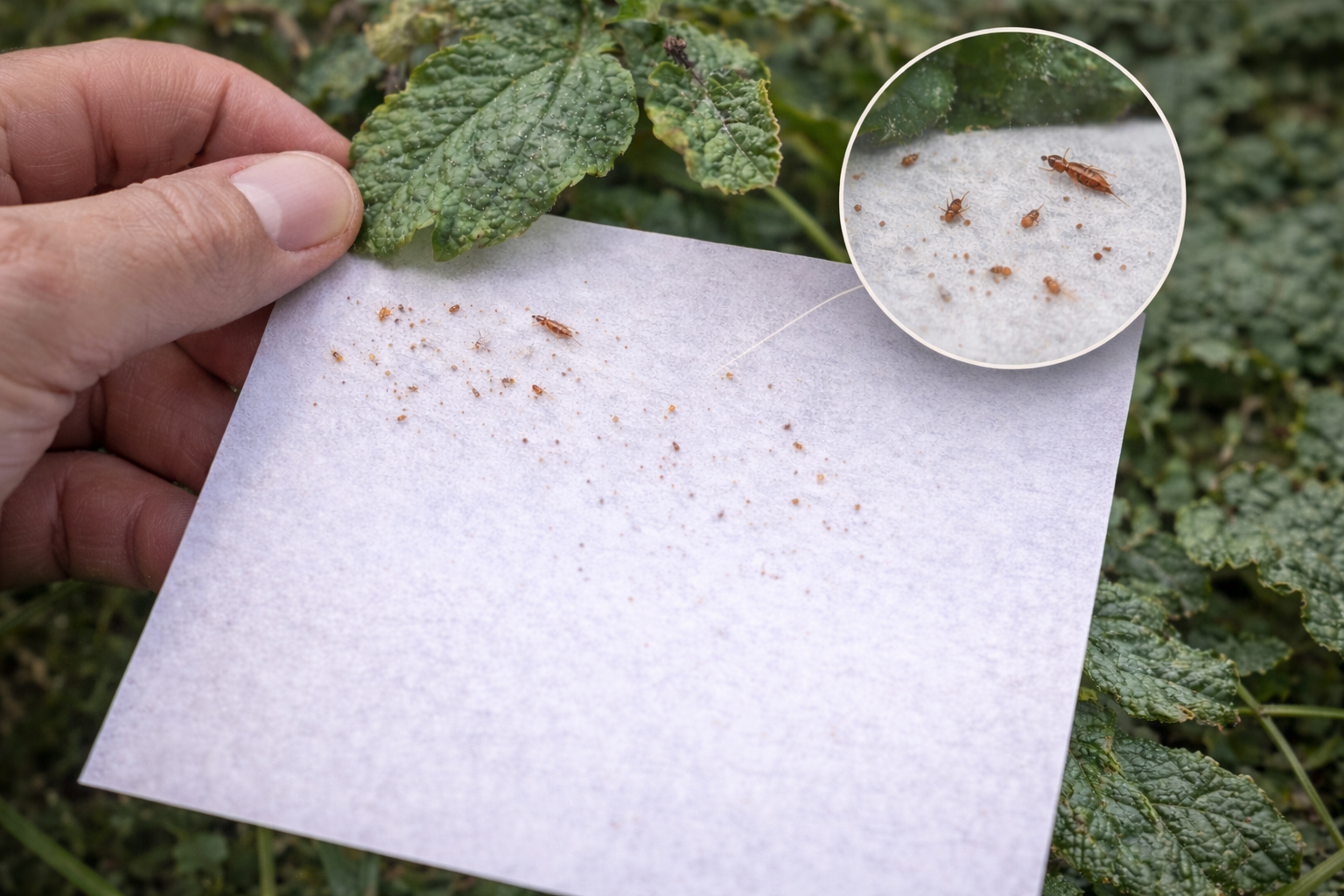
Thrips or Spider Mites - White-Paper Test
The white-paper tap test is a simple way to identify thrips or spider mites on plants. Hold a sheet of white paper under a damaged leaf and gently tap the plant. Tiny pests will fall onto the paper, making them easier to see. Spider mites appear as tiny moving dots, while thrips look like slender, fast-moving insects. This quick plant pest identification test helps gardeners confirm a thrips or spider mite infestation before choosing the right IPM pest control treatment.
Monitor Flying Plant Pests
Yellow sticky traps are an essential tool for plant pest monitoring in gardens, greenhouses, and indoor grow rooms. Place yellow sticky cards near plants or just above the soil surface to attract and trap common flying plant pests like fungus gnats, whiteflies, thrips, and winged aphids. Regularly checking sticky traps helps gardeners identify pest infestations early, monitor pest population levels, and determine when IPM pest control may be needed. Using yellow sticky traps for pest detection is one of the easiest ways to protect plants and prevent serious infestations.
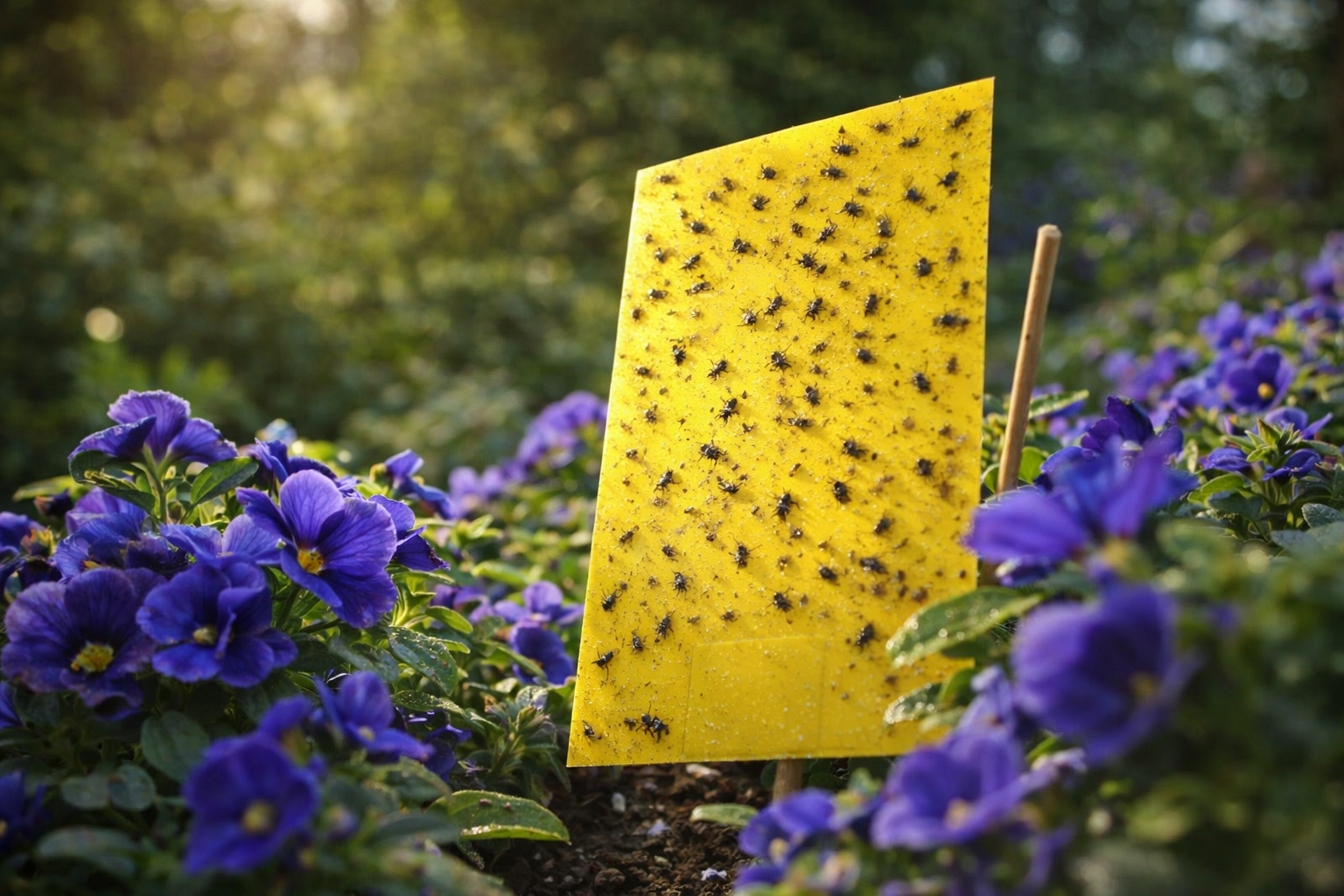
Initial stress often attracts pests or promotes diseases.
Prevention Checklist
Regular plant inspections are the foundation of Integrated Pest Management (IPM). Check your plants at least 2–3 times per week for early plant pest symptoms such as yellow spots, speckled leaves, leaf curling, sticky residue, or tiny insects. Early pest identification helps stop infestations from spreading and makes pest control much easier.
1
Inspect Plants for Early Pest Signs
Check Undersides of Leaves
2
Many common garden pests hide and feed on the underside of plant leaves. Look closely for pests like aphids, spider mites, thrips, and whiteflies, as well as eggs, webbing, or small moving insects. Catching pests in these hidden areas allows growers to detect infestations early and apply targeted IPM treatments before damage worsens.
Use Sticky Yellow Cards to Monitor Pests
3
Place sticky yellow cards near plants to monitor flying pests such as fungus gnats, whiteflies, aphids, and thrips. These traps act as an early warning system for plant pest infestations and help growers track pest activity over time. Sticky traps are one of the easiest and most effective IPM monitoring tools for indoor gardens, hydroponics, and outdoor plants.
Confirm the Pest Before Treating
4
Always identify the pest before applying treatment to ensure the correct solution is used. Use simple pest identification methods like the white paper test for spider mites and thrips, magnification tools, or visual inspection. Accurate identification leads to more effective IPM pest control strategies and prevents unnecessary treatments.
Frequently Asked Questions
-
Regular plant inspections are essential for effective Integrated Pest Management (IPM). Check plants 2–3 times per week for early signs of pests or disease. Frequent monitoring helps growers detect spider mites, aphids, thrips, fungus gnats, and whiteflies before infestations spread.
-
Start by inspecting the underside of leaves, new growth, and stems. Many common pests such as aphids, spider mites, and whiteflies hide and reproduce in these areas. Early pest activity often begins in these hidden locations.
-
Early plant pest symptoms may include yellow spots, speckled leaves, leaf curling, sticky residue (honeydew), webbing, or tiny insects moving on leaves. Identifying these symptoms early helps prevent severe plant damage.
-
Sticky yellow cards help monitor flying pests such as fungus gnats, whiteflies, winged aphids, and thrips. These traps act as an early warning system and help growers track pest population levels over time.
-
Correct pest identification ensures growers use the most effective IPM pest control strategy. Different pests require different treatments, so confirming the pest helps avoid unnecessary sprays and improves control success.
-
Common pest monitoring tools include magnifying lenses, sticky traps, inspection lights, and visual plant inspections. These tools help growers spot small pests like spider mites, thrips, and aphids that are difficult to see with the naked eye.
Treatment Plan
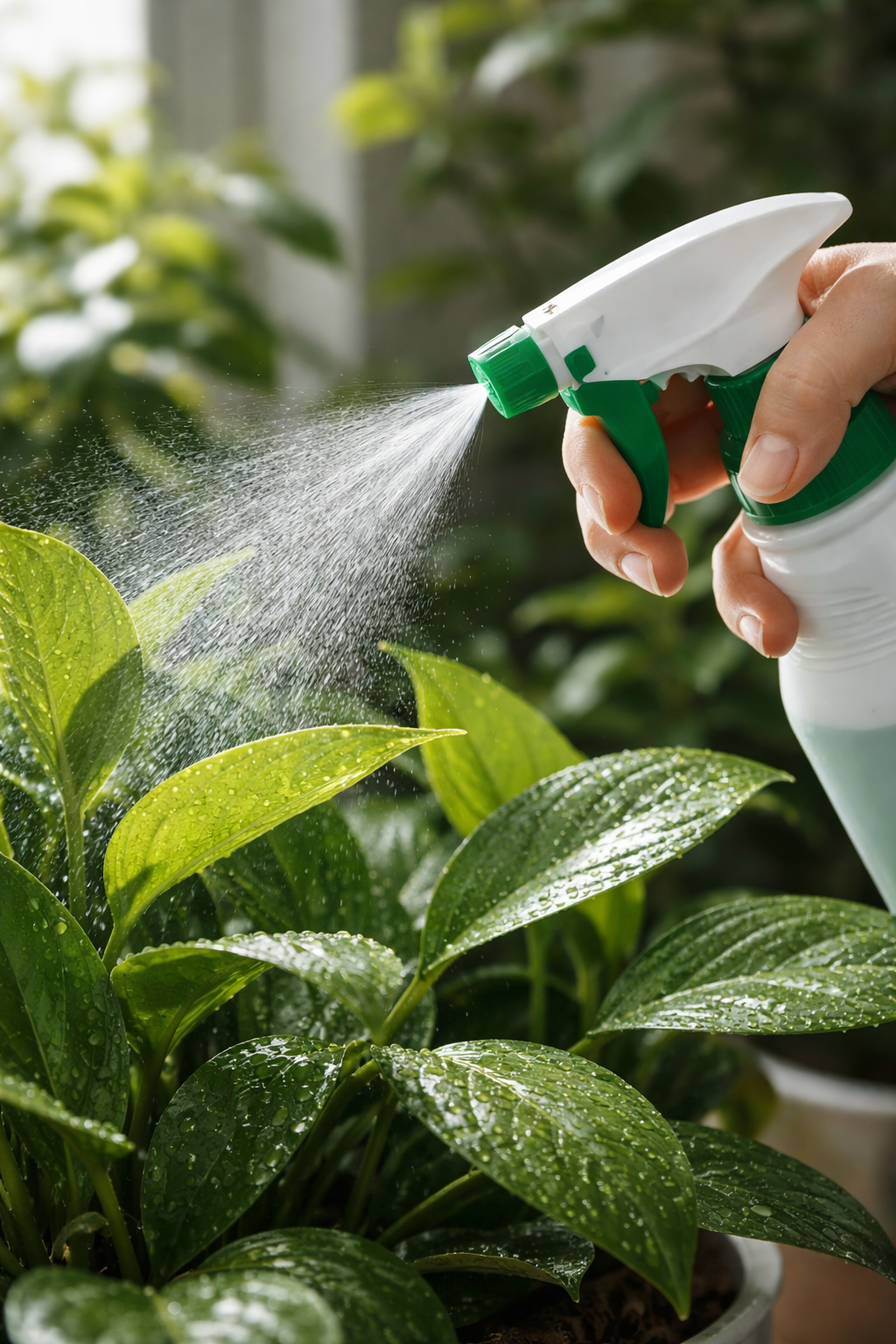
Correct plant pest identification is the first step in Integrated Pest Management (IPM). Look for signs of spider mites, aphids, thrips, whiteflies, or fungus gnats before choosing a treatment.
Identify the Pest
Remove heavily infested leaves and rinse plants with water to quickly lower pest populations. Early action helps prevent plant pest infestations from spreading.
Reduce Pest Population
Spray Green Cleaner IPM thoroughly on leaves and stems, including the underside of leaves where pests hide. This helps control spider mites, aphids, thrips, and whiteflies.
Apply Green Cleaner IPM
Continue IPM monitoring using regular plant inspections and sticky yellow cards. Repeat treatment if needed to maintain effective plant pest control and prevent reinfestation.
Monitor & Repeat Treatment
Need a Product?
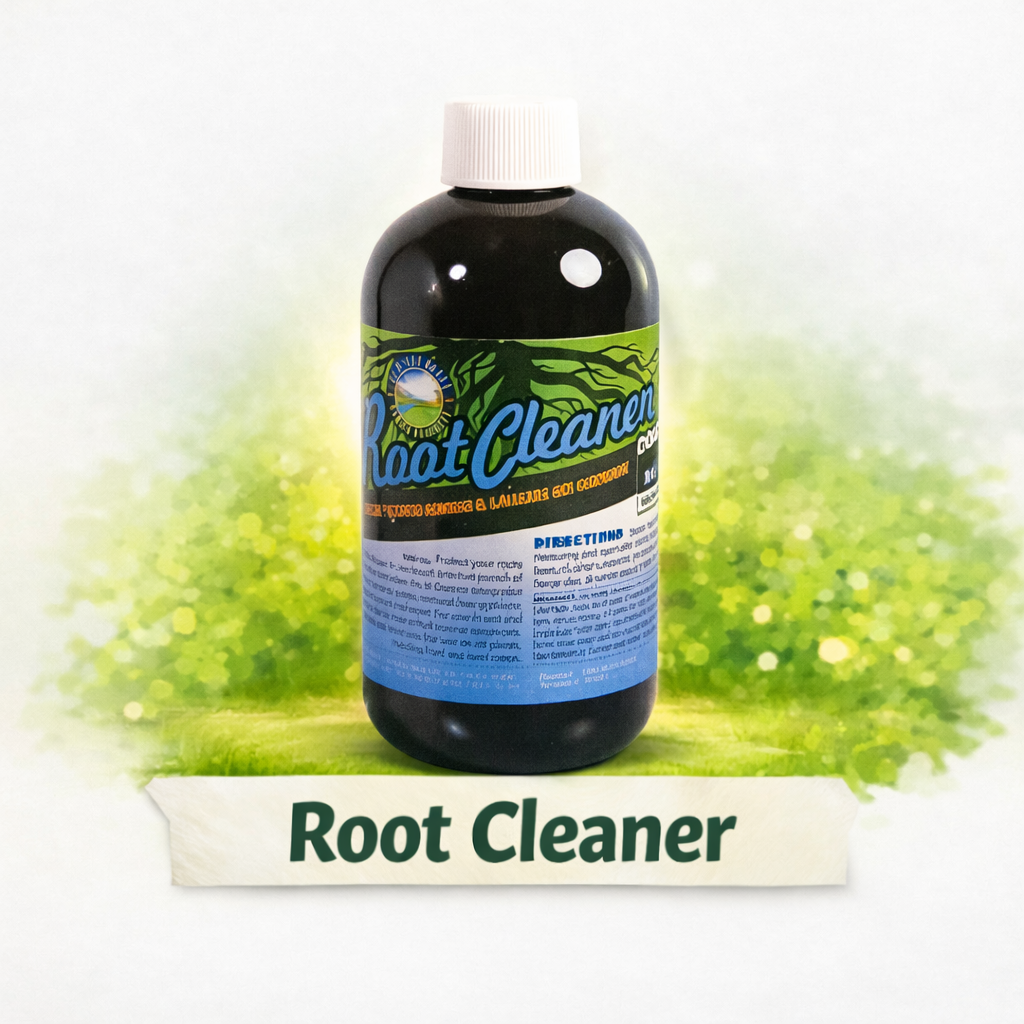
Root Cleaner
Fast and effective soil drench that helps eliminate fungus gnat larvae, flush out root-zone buildup, and support healthier plant roots for stronger growth in houseplants, raised beds, and container gardens.
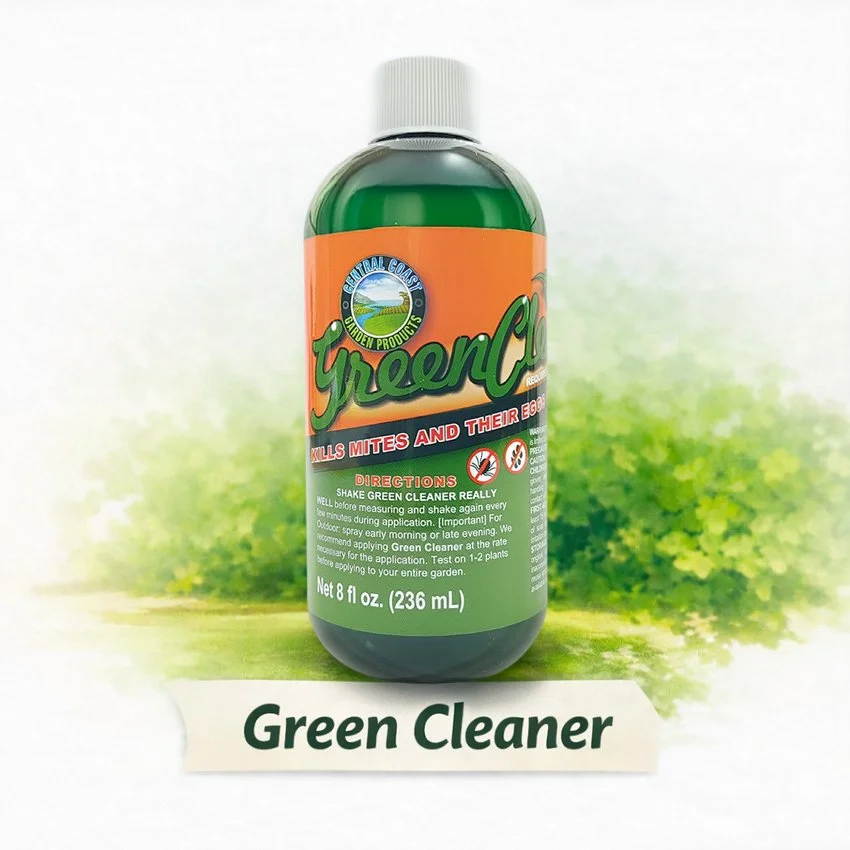
Green Cleaner
Safe and effective integrated pest management (IPM) solution for natural & non-toxic pest control—helping you prevent and treat common garden pests like aphids, spider mites, whiteflies, and fungus gnats while protecting plants